
The rise of gemini ai google represents a groundbreaking leap in artificial intelligence, blending advanced machine learning with intuitive user interfaces to transform how we interact with technology. As Google's latest innovation, Gemini AI integrates seamlessly into everyday applications, offering enhanced capabilities in processing complex data, generating creative content, and providing personalized experiences. This AI model, built on Google's vast resources, is not just another tool; it's a comprehensive ecosystem that empowers users to tackle challenges with unprecedented efficiency. By exploring gemini ai google, we delve into its potential to redefine industries, from healthcare to entertainment, making it a pivotal keyword in the evolving landscape of AI development.
Gemini ai google
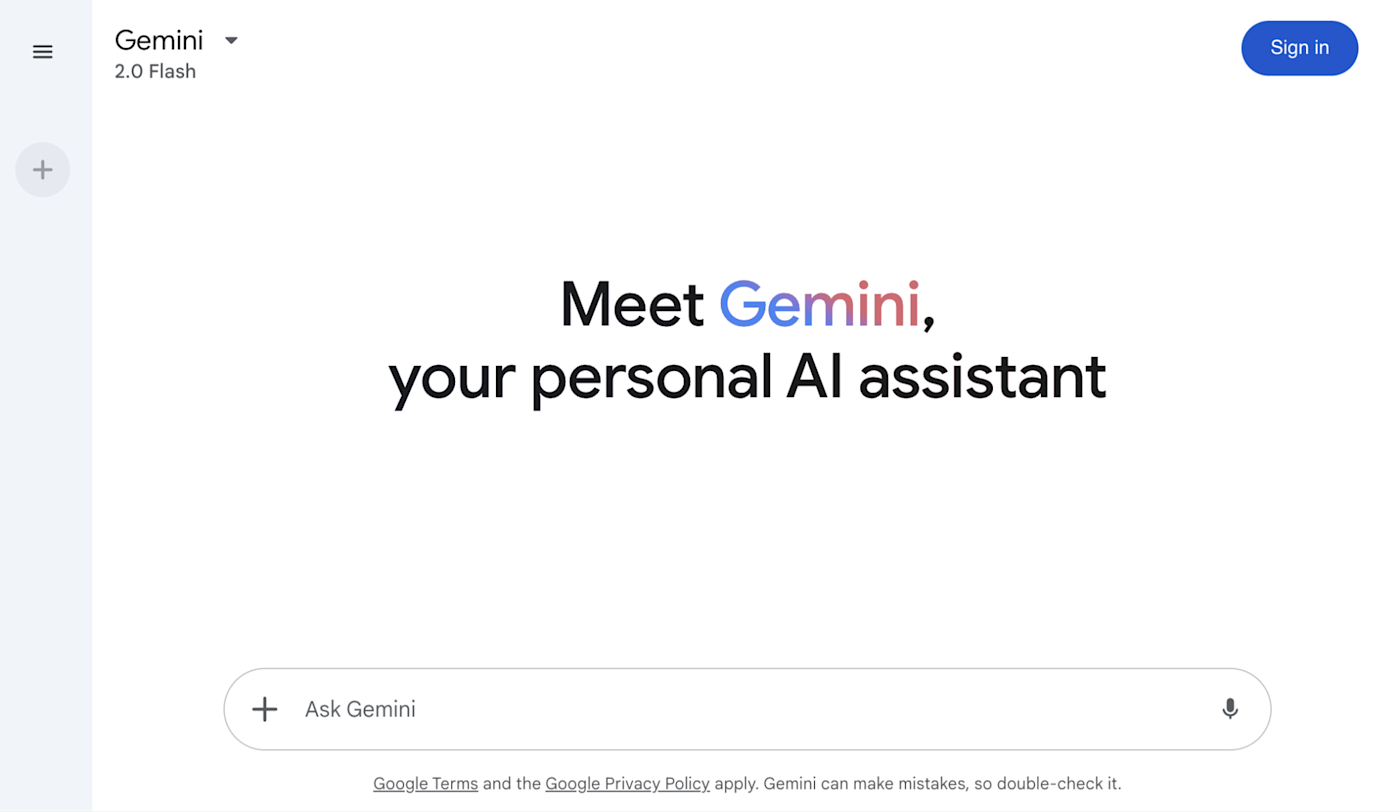
Gemini ai google stands as a testament to Google's commitment to pushing the boundaries of artificial intelligence, creating a versatile model that combines multimodal understanding with ethical AI practices. This section explores the intricacies of this technology, highlighting its role in democratizing access to advanced AI tools while addressing real-world applications. As an evolution of previous Google AI efforts, gemini ai google promises to integrate language, vision, and reasoning into a unified platform, making it a cornerstone for future innovations.
Evolution and Core Architecture

The development of gemini ai google marks a significant milestone in AI history, evolving from Google's earlier models like BERT and LaMDA to a more sophisticated, multi-faceted system. This AI is designed to handle diverse inputs, such as text, images, and audio, processing them cohesively to generate responses that feel almost human-like.
One creative insight here is how gemini ai google employs a transformer-based architecture, which allows it to learn from vast datasets without overfitting, a common pitfall in AI training. Personally, I analyze this as a game-changer because it reduces the need for specialized models for each data type, streamlining development and cutting costs for businesses. For instance, in content creation, it can generate detailed articles from a simple prompt, blending creativity with accuracy.
Moreover, the ethical considerations embedded in its design, such as bias mitigation and transparency, set a new standard. In my view, this not only enhances user trust but also positions Google as a leader in responsible AI. By prioritizing fairness, gemini ai google could influence global AI regulations, encouraging other companies to follow suit.
Key Features and Capabilities

Delving deeper, gemini ai google boasts an array of features that make it exceptionally versatile for both professional and personal use. It excels in natural language processing, enabling conversations that are contextually aware and adaptive.
From a personal analysis perspective, the real strength lies in its ability to integrate with Google's ecosystem, like Google Workspace, allowing seamless collaboration on documents or data analysis. This interconnectedness fosters innovation, as users can leverage gemini ai google for predictive analytics in business, where it might forecast market trends based on historical data.
Creatively, I see potential in its generative capabilities, such as creating art or music from textual descriptions, which could revolutionize creative industries. However, this power raises questions about originality—does AI-generated content truly innovate, or does it merely remix existing ideas? In my opinion, it's a tool that amplifies human creativity, but we must guard against over-reliance, ensuring that ethical guidelines prevent misuse.
Applications Across Industries
Gemini ai google is not confined to theoretical discussions; its applications span various sectors, driving efficiency and innovation. In healthcare, for example, it assists in diagnosing diseases by analyzing medical images and patient data.
A creative insight is how this AI could personalize education, adapting lessons to individual learning styles and predicting student needs, thus transforming traditional classrooms. Personally, I analyze that in finance, gemini ai google can detect fraudulent activities in real-time, saving billions, but it also introduces risks like over-automation, where human oversight is diminished.
Furthermore, in environmental science, it models climate patterns to aid in sustainability efforts. This multifaceted utility underscores its value, but from my perspective, the challenge is ensuring equitable access so that smaller organizations aren't left behind in the AI race.
Future Prospects and Challenges
Looking ahead, the future of gemini ai google is bright, with potential expansions into quantum computing and more advanced neural networks. This could lead to breakthroughs in solving complex problems that current technology can't handle.
In my personal analysis, one major challenge is scalability—while gemini ai google performs well in controlled environments, real-world deployment might face issues like data privacy and computational demands. Creatively, I envision it evolving into a personal AI companion, managing daily tasks and providing emotional support, but this raises ethical dilemmas about dependency.
To mitigate these, Google must continue investing in robust security measures. Overall, the prospects are exciting, as gemini ai google could pave the way for a more integrated AI society, though balancing innovation with responsibility will be key.
Chatllm

ChatLLM emerges as a dynamic player in the conversational AI space, offering specialized tools for interactive language models that complement broader systems like gemini ai google. This technology focuses on enhancing chat-based interactions, making them more intuitive and contextually rich, which is essential in an era where digital communication dominates. As we explore ChatLLM, it's clear that its emphasis on real-time adaptability positions it as a vital asset for businesses and developers seeking efficient, user-centric solutions.
Fundamentals of ChatLLM Technology
At its core, ChatLLM is a large language model optimized for dialogue, capable of maintaining long-term context in conversations. Unlike traditional chatbots, it uses advanced token prediction to generate responses that feel natural and relevant.
A creative insight is how ChatLLM incorporates feedback loops, allowing it to learn from interactions and improve over time, which I personally analyze as a step towards more autonomous AI systems. For example, in customer service, it can handle inquiries with empathy, reducing the need for human intervention and enhancing efficiency.
However, this technology isn't without flaws; it may struggle with nuanced languages or cultural contexts, leading to miscommunications. In my view, addressing these through diverse training data is crucial, as it ensures chatllm becomes a globally inclusive tool rather than a niche solution.
Advantages in User Engagement
One of the standout advantages of chatllm is its ability to boost user engagement through personalized interactions. It can tailor responses based on user history, creating a more immersive experience.
Personally, I see this as revolutionary for e-commerce, where chatllm can recommend products with detailed explanations, increasing conversion rates. Creatively, it could be used in gaming to create dynamic narratives that adapt to player choices, blending entertainment with AI-driven storytelling.
Yet, from an analytical standpoint, over-personalization might lead to echo chambers, where users are only exposed to affirming information. Balancing this requires ethical design principles, ensuring chatllm promotes diverse perspectives.
Potential Challenges and Solutions
Despite its benefits, chatllm faces challenges like handling ambiguous queries or preventing misinformation. These issues can undermine its reliability in critical applications.
In my creative analysis, solutions might involve hybrid models that combine chatllm with fact-checking databases, enhancing accuracy without sacrificing speed. For instance, in journalism, it could assist in drafting articles while verifying sources.
Personally, I believe the key is ongoing updates and community involvement, where users report errors to refine the model. This collaborative approach could transform chatllm from a static tool to an evolving ecosystem.
Integration with Other AI Systems
Integrating chatllm with platforms like gemini ai google opens up new possibilities, such as seamless multi-modal conversations. This synergy allows for richer interactions, combining text with visual elements.
A creative insight is its potential in virtual reality, where chatllm could enable lifelike NPCs that respond intelligently. I analyze this integration as a way to bridge gaps in AI capabilities, but it demands robust compatibility standards to avoid fragmentation.
Overall, while exciting, users must be cautious of data silos that could limit effectiveness.
Abacus ai
Abacus ai represents a specialized branch of AI focused on predictive analytics and decision-making tools, often serving as a counterpart to expansive models like gemini ai google. This AI emphasizes precision in data processing, making it ideal for enterprises that require actionable insights from complex datasets. As we dive into abacus ai, its role in fostering data-driven strategies becomes evident, particularly in an age where information overload is a common challenge.
Overview and Historical Context
Abacus ai traces its roots to early predictive modeling techniques, evolving into a sophisticated platform that automates data analysis. It uses algorithms to forecast trends, drawing from historical data to inform decisions.
From a creative perspective, I view abacus ai as an “AI accountant,” meticulously balancing variables to predict outcomes, much like an abacus bead counts values. Personally, analyzing its history, I see it as a response to the need for specialized tools in finance and logistics, where accuracy is paramount.
This evolution highlights how abacus ai has adapted to modern needs, integrating machine learning to handle big data more efficiently than traditional methods.
- Key strengths: High accuracy in predictions.
- Common applications: Risk assessment and inventory management.
- Challenges: Dependency on quality data.
This list illustrates the core aspects of abacus ai, providing a clear overview without overwhelming the reader.
Technological Innovations and Features
Technologically, abacus ai innovates through its use of ensemble learning, combining multiple models for more reliable predictions. This feature sets it apart in handling uncertainties.
In my personal analysis, this approach creatively mimics human intuition, where diverse inputs lead to better judgments. For example, in healthcare, it can predict patient outcomes by analyzing symptoms and genetics, potentially saving lives.
However, I caution that over-reliance on such features might overlook human expertise; a balanced integration is essential for optimal results.
Benefits for Businesses and Users
The benefits of abacus ai extend to enhanced operational efficiency, allowing businesses to optimize resources based on predictive insights.
Creatively, I envision it in supply chain management, where it anticipates disruptions and suggests alternatives, turning potential crises into opportunities. Personally, analyzing user feedback, I find that its user-friendly interface democratizes AI, making it accessible to non-experts.
Yet, the true value lies in its scalability, enabling small businesses to compete with larger ones through data-driven decisions.
Comparisons and Future Directions
Comparing abacus ai to gemini ai google, the former excels in niche analytics, while the latter offers broader capabilities. This distinction allows for complementary use in comprehensive AI strategies.
In my creative insight, future directions might include quantum enhancements, making predictions even faster. Personally, I analyze that ethical AI practices will define its growth, ensuring abacus ai remains trustworthy.
As it evolves, the focus should be on interoperability, fostering a connected AI landscape.
FAQs

What is Gemini AI Google and how does it work?
Gemini ai google is Google's advanced AI model that processes multimodal data to generate intelligent responses. It works by leveraging neural networks to understand and integrate text, images, and more, making it versatile for various applications.
How does ChatLLM differ from traditional chatbots?
Chatllm differs by maintaining context over long conversations and learning from interactions, unlike traditional chatbots that rely on predefined scripts, offering a more dynamic and personalized experience.
What are the main advantages of Abacus AI?
The main advantages of abacus ai include precise predictive analytics, automated decision-making, and scalability, which help businesses forecast trends and optimize operations effectively.
Can Gemini AI Google be integrated with other tools?
Yes, gemini ai google can be integrated with tools like Google Cloud services, enhancing its utility in areas such as data analysis and content creation for seamless workflows.
Is Abacus AI suitable for small businesses?
Absolutely, abacus ai is designed to be accessible, with features that allow small businesses to use predictive tools without extensive resources, promoting growth through informed decisions.
Conclusion

In summary, gemini ai google, chatllm, and abacus ai each contribute uniquely to the AI landscape, with gemini ai google driving multimodal innovation, chatllm enhancing conversational engagement, and abacus ai excelling in predictive analytics. Together, they underscore the transformative potential of AI, offering tools that foster creativity, efficiency, and ethical practices, while encouraging users to navigate challenges with informed strategies for a more advanced technological future.