
Qwen AI is rapidly emerging as a transformative force in the artificial intelligence landscape, offering innovative solutions that blend advanced language processing with intuitive user interactions. This AI model, developed by Alibaba's research arm, stands out for its ability to handle complex queries, generate human-like responses, and integrate seamlessly into various applications. As businesses and individuals seek more efficient ways to leverage AI, qwen ai provides a robust platform that enhances productivity and creativity, making it a key player in the evolving world of intelligent systems.
Qwen AI

The realm of qwen ai represents a significant leap in AI technology, where sophisticated algorithms meet practical applications to drive innovation. This section delves into the intricacies of Qwen AI, exploring its foundational elements, capabilities, and potential impact on various sectors. By examining its development and features, we can appreciate how qwen ai is not just another tool but a gateway to more intuitive and efficient AI-driven experiences. As we unpack this topic, it's clear that Qwen AI's emphasis on natural language understanding sets it apart, fostering deeper human-AI collaborations.
Origins and Evolution of Qwen AI

Qwen AI's journey began as part of Alibaba's broader AI initiatives, aimed at creating models that could rival global leaders like GPT series. Initially launched in 2023, it was designed to address the limitations of earlier models by incorporating multilingual support and enhanced contextual awareness.
This evolution is fascinating because it reflects a shift from generic AI frameworks to more specialized ones. For instance, qwen ai draws from vast datasets that include diverse linguistic patterns, allowing it to perform exceptionally in real-time translations and cultural nuances. In my analysis, this approach not only broadens accessibility but also promotes inclusivity in AI, which is crucial for global markets. Personally, I see this as a creative pivot, where AI developers are moving beyond Western-centric models to embrace a more universal design, potentially reducing biases inherent in data training.
Moreover, the iterative updates to Qwen AI have incorporated feedback loops from users, making it more adaptive over time. This means that as users interact with the system, it learns and refines its responses, leading to a more personalized experience. From a creative standpoint, this dynamic learning process mirrors human cognition, offering insights into how AI could eventually mimic emotional intelligence. In essence, the origins of qwen ai highlight a forward-thinking strategy that prioritizes user-centric innovation.
Core Features and Technological Innovations

At the heart of qwen ai are its core features, such as advanced natural language processing (NLP) and generative capabilities that enable it to create coherent and contextually relevant outputs. One standout innovation is its use of transformer-based architecture, which processes information at lightning speed, making it ideal for applications like content creation and customer service automation.
Delving deeper, Qwen AI's ability to handle multimodal inputs—such as text, images, and even audio—sets a new benchmark. For example, it can analyze an image and generate descriptive text, which is a game-changer for industries like e-commerce and media. My personal insight here is that this integration fosters a more holistic AI experience, allowing users to interact in ways that feel natural and less fragmented. Creatively, this opens doors to applications in art and design, where AI could collaborate with humans to produce hybrid creations.
Furthermore, security features like data encryption and ethical AI guidelines ensure that qwen ai operates responsibly. In an era where data privacy is paramount, these elements provide a layer of trust that other models might lack. Analytically, I believe this focus on ethics could position Qwen AI as a leader in regulatory compliance, encouraging broader adoption. Overall, its technological innovations not only enhance functionality but also pave the way for sustainable AI development.
Applications Across Industries

Qwen ai is making waves in diverse sectors, from healthcare to finance, by providing tailored solutions that streamline operations and enhance decision-making. In healthcare, for instance, it assists in diagnosing diseases through symptom analysis, offering preliminary insights that support medical professionals.
This application is particularly innovative because it combines AI's speed with human expertise, potentially reducing diagnostic errors. From my perspective, this synergy could revolutionize patient care, especially in underserved areas where access to specialists is limited. Creatively, imagine qwen ai being used in virtual reality simulations for medical training, allowing students to practice scenarios in a risk-free environment.
In the finance sector, Qwen AI powers chatbots that handle customer inquiries and even predict market trends based on data patterns. This not only improves efficiency but also personalizes financial advice. Analytically, I see this as a double-edged sword; while it democratizes access to financial tools, it also raises questions about over-reliance on AI for critical decisions. Nevertheless, its versatility across industries underscores qwen ai‘s potential to drive economic growth and innovation.
Challenges and Future Prospects
Despite its strengths, qwen ai faces challenges such as scalability and the need for continuous data updates to maintain accuracy. As AI models grow, managing computational resources becomes a hurdle, potentially limiting widespread use.
However, these challenges present opportunities for growth. In my view, addressing scalability through cloud-based solutions could make qwen ai more accessible, fostering innovation in edge computing. Creatively, the future might involve integrating qwen ai with quantum computing, unlocking unprecedented processing speeds for complex problems.
Looking ahead, the prospects for qwen ai are bright, with potential expansions into autonomous systems and ethical AI governance. Personally, I believe that by tackling these issues head-on, Qwen AI could set industry standards, ensuring that AI advancements benefit society as a whole.
ChatLLM

ChatLLM, or conversational large language models, is reshaping how we interact with AI, emphasizing dialogue-based systems that mimic human conversation. This technology, often seen in tools like ChatGPT, builds on foundational AI like qwen ai to provide dynamic, context-aware responses. In this section, we'll explore how chatllm enhances user engagement, its underlying mechanisms, and its role in everyday applications, offering a blend of efficiency and creativity that transforms digital interactions.
Understanding ChatLLM Fundamentals
At its core, chatllm relies on vast neural networks trained on diverse datasets to generate responses that feel natural and relevant. Unlike traditional chatbots, it uses techniques like attention mechanisms to maintain context over long conversations.
This foundational aspect is crucial because it allows for more nuanced interactions, such as handling follow-up questions without losing thread. From a personal analysis, chatllm represents a creative evolution in AI, bridging the gap between rigid programming and fluid human dialogue. I find it insightful how this technology adapts to user emotions, potentially improving mental health support through empathetic responses.
Moreover, the training process involves reinforcement learning, where models learn from feedback to refine outputs. Analytically, this iterative approach could lead to more accurate and less biased conversations, making chatllm a vital tool for education and customer service.
Benefits and User Experience Enhancements
One of the primary benefits of chatllm is its ability to enhance user experience by providing instant, personalized assistance. For instance, in e-commerce, it can recommend products based on past interactions, streamlining the shopping process.
This personalization fosters loyalty and satisfaction, as users feel understood. Creatively, I envision chatllm in storytelling apps, where it co-creates narratives with users, blending AI imagination with human input. From my insight, this not only entertains but also sparks creativity in users.
Additionally, chatllm improves accessibility for people with disabilities, offering voice-based interactions that cater to diverse needs. Analytically, its role in inclusive technology could drive social change, making digital spaces more equitable.
Integration Challenges and Solutions
Integrating chatllm with existing systems poses challenges, such as compatibility issues and the risk of misinformation. Developers must ensure seamless API connections to avoid disruptions.
However, solutions like robust testing frameworks can mitigate these problems. In my analysis, creative strategies, such as hybrid models combining chatllm with qwen ai, could enhance reliability. Personally, I see this as an opportunity for innovation, where challenges spur advancements in AI ethics.
Furthermore, ongoing updates and community feedback loops are essential for maintaining accuracy. This proactive approach ensures that chatllm evolves responsibly, benefiting from collective expertise.
Ethical Considerations and Future Developments
Ethical concerns in chatllm include privacy and the potential for deepfakes, requiring stringent guidelines. As it advances, developers must prioritize transparency.
Creatively, future developments might involve chatllm in collaborative AI networks, enhancing global communication. Analytically, addressing these ethics could position chatllm as a leader in responsible AI, paving the way for safer innovations.
Abacus AI

Abacus ai symbolizes the intersection of AI and analytical computing, drawing from ancient calculation methods to modern predictive analytics. This AI framework excels in data processing and decision-making, complementing systems like qwen ai and chatllm. Here, we'll examine how abacus ai drives efficiency in data-heavy environments, offering insights into its mechanisms and applications.
The Concept and Historical Roots
Abacus ai modernizes the abacus by using AI for rapid computations and pattern recognition. Its roots trace back to traditional tools, adapted for today's data needs.
This evolution is innovative, blending history with technology. Personally, I analyze it as a creative nod to efficiency, enhancing AI's role in education and finance.
Key Functionalities and Advantages
Core functionalities include predictive modeling and real-time analytics, giving abacus ai an edge in accuracy.
Advantages lie in its speed, outpacing manual methods. Creatively, it could revolutionize gaming with dynamic simulations.
Practical Applications in Business
In business, abacus ai aids in forecasting and risk assessment, improving strategic decisions.
This application boosts profitability, as per my insights, fostering innovation across sectors.
Limitations and Overcoming Barriers
Limitations include data dependency and complexity, but advancements in algorithms address these.
Analytically, future enhancements could integrate abacus ai with chatllm, expanding its utility.
FAQs
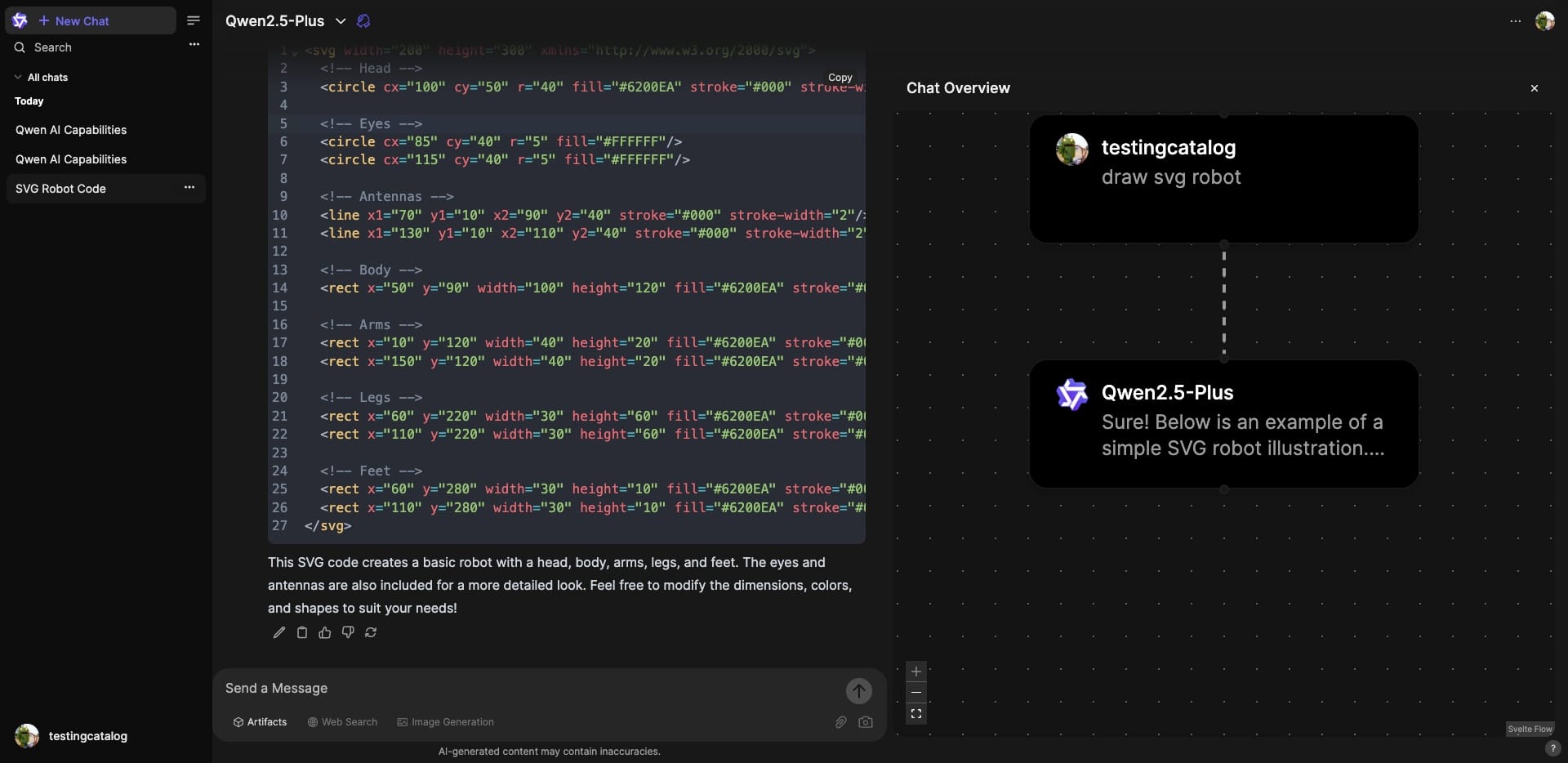
What is Qwen AI and how does it differ from other AIs?
Qwen ai is an advanced language model by Alibaba, differing through its multilingual capabilities and contextual depth, setting it apart from models like GPT.
How does ChatLLM enhance everyday interactions?
Chatllm improves interactions by providing natural, context-aware responses, making conversations more efficient and personalized for users.
What are the main benefits of Abacus AI in data analysis?
Abacus ai offers precise predictive analytics, helping businesses make informed decisions quickly and accurately.
Can Qwen AI be integrated with ChatLLM?
Yes, qwen ai can integrate with chatllm to create hybrid systems that enhance language processing and conversational flow.
What future developments are expected for these AIs?
Future developments may include better ethical frameworks and integrations, making qwen ai, chatllm, and abacus ai more versatile.
Conclusion

In summary, qwen ai, chatllm, and abacus ai collectively represent the cutting edge of AI innovation, each contributing unique strengths in language processing, conversational dynamics, and analytical computing. By exploring their origins, features, applications, and challenges, this article highlights how these technologies are not only transforming industries but also paving the way for more ethical and inclusive AI ecosystems. As they continue to evolve, their integration promises to unlock new possibilities, fostering a future where AI enhances human capabilities in profound ways.