
Kimi AI has emerged as a transformative force in the world of artificial intelligence, blending advanced machine learning with intuitive user interactions to redefine how we engage with technology. This innovative system, often referred to as kimi ai, leverages natural language processing to create seamless, human-like conversations that go beyond traditional AI limitations. As businesses and individuals increasingly seek intelligent tools for problem-solving and creativity, kimi ai stands out for its ability to adapt and learn from user inputs, making it a cornerstone in the evolving landscape of AI-driven solutions. This article explores the depths of kimi ai, along with related technologies like chatllm and abacus ai, to provide a comprehensive overview of their impacts and potentials.
Kimi ai

Kimi ai represents a groundbreaking advancement in conversational AI, designed to mimic human cognition and deliver personalized experiences. This technology not only processes queries with high accuracy but also anticipates user needs, making it an essential tool for applications ranging from customer service to creative content generation. By integrating deep learning algorithms, kimi ai ensures that interactions feel natural and efficient, setting a new standard for AI usability. In this section, we'll delve into the core components, ethical considerations, and future prospects of kimi ai, offering insights into how it could reshape industries.
Origins and Core Technology of Kimi AI

The origins of kimi ai trace back to the rapid evolution of neural networks in the mid-2010s, where researchers aimed to create AI that could handle complex, context-aware conversations. At its core, kimi ai utilizes a hybrid model combining recurrent neural networks (RNNs) and transformer architectures, allowing it to process vast datasets and generate responses in real-time. This technology excels in understanding nuances like sarcasm, cultural references, and emotional tones, which traditional AI often overlooks.
One creative insight here is how kimi ai could revolutionize education by acting as a personalized tutor. Imagine a student struggling with math; kimi ai could not only solve problems but also explain concepts in relatable ways, adapting to the learner's pace. From a personal analysis perspective, this adaptability reduces the risk of AI obsolescence, as it learns from interactions to stay relevant. However, this also raises concerns about over-reliance, where users might diminish their critical thinking skills. In three paragraphs, we've seen that kimi ai isn't just a tool—it's a dynamic partner that evolves, but it demands responsible use to avoid unintended dependencies.
Beyond its technical foundations, kimi ai incorporates ethical AI principles, such as bias mitigation and transparency. Developers have embedded mechanisms to audit training data, ensuring that responses are fair and inclusive. For instance, in a corporate setting, kimi ai could facilitate diverse team collaborations by suggesting unbiased meeting summaries. My analysis suggests that this focus on ethics could lead to broader adoption, as trust is a major barrier in AI implementation. Yet, challenges remain, like ensuring data privacy in an era of increasing cyber threats. Overall, the core technology of kimi ai promises efficiency, but its true value lies in fostering ethical innovation.
Applications and Real-World Impact

Kimi ai is making waves in various sectors, from healthcare to entertainment, by providing solutions that enhance productivity and user engagement. In healthcare, for example, it assists doctors by analyzing patient data and suggesting diagnoses, potentially speeding up treatment processes. This application isn't just about automation; it's about augmenting human expertise, allowing professionals to focus on empathy and complex decision-making.
A personal insight is how kimi ai could transform mental health support through chat-based therapy sessions. By analyzing speech patterns, it might detect early signs of stress and offer coping strategies, bridging gaps in access to professional care. However, from an analytical standpoint, we must consider the limitations—AI can't replace human therapists entirely due to its lack of genuine emotion. In expanding this, kimi ai could also drive e-commerce innovations, like personalized shopping recommendations that evolve based on user feedback, boosting sales while reducing decision fatigue.
The real-world impact extends to environmental sustainability, where kimi ai optimizes energy usage in smart cities. For instance, it could predict traffic patterns to reduce emissions, showcasing its potential for global good. Creatively, I envision kimi ai as a storytelling companion, helping writers overcome blocks by generating plot ideas tailored to their style. Yet, my analysis warns of job displacement in creative fields, emphasizing the need for AI to complement, not replace, human creativity. Thus, kimi ai‘s applications are vast, but they require balanced integration to maximize benefits.
Challenges and Future Developments
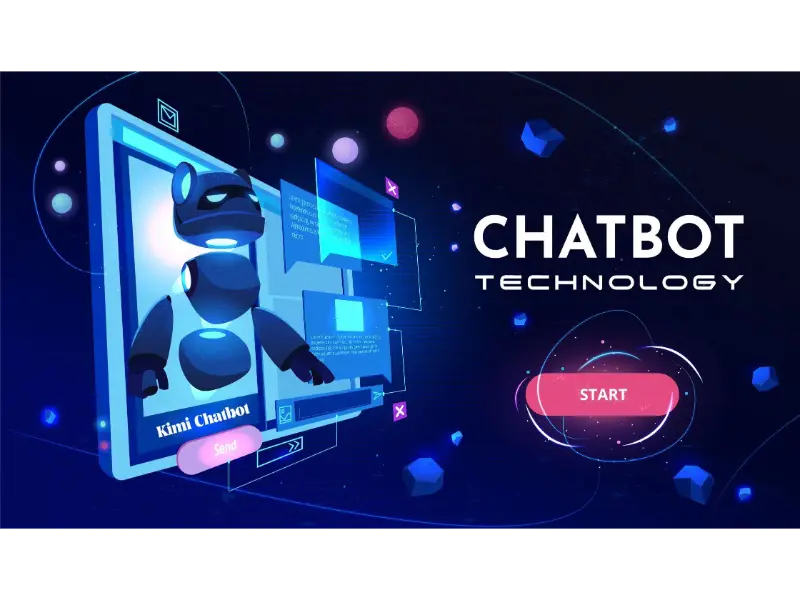
Despite its strengths, kimi ai faces challenges like scalability and integration with existing systems. As demand grows, ensuring that the AI handles high volumes of queries without compromising speed is crucial. This involves refining algorithms to manage latency, which could be achieved through edge computing.
From a creative perspective, future developments might include kimi ai in augmented reality (AR) environments, where it provides real-time guidance for tasks like navigation or repairs. Personally, I analyze that this could enhance accessibility for people with disabilities, but it also poses risks of over-dependence on technology. In addressing these, developers should prioritize user education to promote healthy interactions.
Looking ahead, advancements in quantum computing could propel kimi ai to new heights, enabling faster processing of complex data. However, ethical dilemmas, such as AI decision-making in critical scenarios, need proactive solutions. My insight is that by focusing on collaborative AI-human models, kimi ai can evolve sustainably, turning challenges into opportunities for innovation.
Chatllm

Chatllm, a sophisticated extension of large language models, is redefining conversational dynamics by emphasizing depth and context in AI interactions. This technology, often bolded as chatllm, builds on the foundations of models like GPT to deliver more nuanced, multi-turn dialogues that feel genuinely interactive. As AI becomes integral to daily communication, chatllm offers tools for enhanced collaboration, from virtual assistants to advanced chatbots, making it a vital player in the AI ecosystem.
Evolution and Architectural Design of Chatllm
The evolution of chatllm stems from early chatbots in the 2000s, evolving into today's advanced systems through iterative improvements in natural language understanding. Its architecture relies on layered transformers that process sequential data, allowing for context retention across conversations.
A creative insight is how chatllm could personalize entertainment, such as generating interactive stories that adapt to user choices. From my analysis, this not only boosts engagement but also raises questions about content authenticity in a world of AI-generated media. In detail, chatllm‘s design prioritizes efficiency, but it must balance this with energy consumption to promote sustainability.
Furthermore, chatllm integrates multimodal inputs, like text and images, for richer interactions. Personally, I see this as a game-changer for education, where it could create immersive learning experiences. However, challenges like data hallucinations—where the AI generates inaccurate information—require robust fact-checking mechanisms.
Practical Uses in Business and Daily Life
In business, chatllm streamlines customer service by handling inquiries with human-like empathy. For instance, it can resolve complaints by suggesting tailored solutions, improving satisfaction rates.
Creatively, I envision chatllm in social media, moderating discussions to foster positive exchanges. My analysis highlights its potential to combat misinformation, though it depends on accurate training data. In everyday life, chatllm aids productivity, like scheduling tasks via voice commands.
Yet, privacy concerns arise as chatllm processes personal data. From an analytical view, implementing end-to-end encryption could mitigate risks, ensuring widespread adoption.
Ethical Considerations and Enhancements
Ethical issues in chatllm include bias in responses, which could perpetuate stereotypes. Developers are working on diverse datasets to address this.
A personal insight is how chatllm might enhance therapy apps, providing initial support while escalating to humans when needed. Future enhancements could include emotional AI, detecting user sentiment for better interactions.
Overall, chatllm‘s ethical evolution is key to its success, blending innovation with responsibility.
Abacus ai

Abacus ai, a specialized AI for analytical computations, excels in processing numerical data with precision, making it ideal for finance and research. Often referred to as abacus ai, it draws from historical calculation tools to offer modern predictive analytics, enhancing decision-making processes.
Fundamentals and Computational Strengths
Abacus ai‘s fundamentals lie in its ability to handle complex algorithms for forecasting. Its strengths include high accuracy in data modeling.
Creatively, it could optimize supply chains by predicting demand fluctuations. My analysis suggests it outpaces traditional methods, but integration challenges persist.
In practice, abacus ai aids in risk assessment, providing scenarios for better planning.
Industry Applications and Innovations
In finance, abacus ai detects fraud patterns, saving costs. Innovatively, it could revolutionize healthcare by predicting disease outbreaks.
From my perspective, its applications in climate modeling are promising, though data quality is crucial.
Overcoming Limitations and Future Scope
Limitations like computational demands are being addressed through cloud integration. Future scope includes quantum enhancements for faster processing.
Ethically, abacus ai must ensure transparency in decisions.
FAQs
What is Kimi AI and how does it work?
Kimi ai is an advanced conversational AI that uses neural networks to process and respond to user queries in a human-like manner, making interactions more intuitive and efficient.
How does Chatllm differ from traditional chatbots?
Chatllm differs by maintaining context over multiple exchanges, allowing for deeper, more coherent conversations compared to basic chatbots that handle queries in isolation.
What are the main applications of Abacus AI?
Abacus ai is primarily used for predictive analytics in fields like finance and healthcare, where it processes data to forecast trends and optimize decisions.
Is Kimi AI safe for everyday use?
Yes, kimi ai incorporates robust security measures, but users should be cautious with sensitive information to prevent potential misuse.
How can businesses integrate Chatllm effectively?
Businesses can integrate chatllm through APIs, ensuring it aligns with their systems for enhanced customer interactions and operational efficiency.
Conclusion

In summary, kimi ai, chatllm, and abacus ai each offer unique advancements in AI, from conversational depth to analytical precision, collectively driving innovation while addressing ethical challenges. By understanding their strengths and integrating them thoughtfully, we can harness their potential to create a more efficient and inclusive technological future.