
In the rapidly evolving world of artificial intelligence, the competition between advanced language models has reached new heights. The gemini 2.5 pro vs claude 3.7 debate is at the forefront, pitting Google's cutting-edge Gemini 2.5 Pro against Anthropic's sophisticated Claude 3.7. Both models represent significant leaps in AI capabilities, with Gemini 2.5 Pro excelling in multimodal processing and Claude 3.7 focusing on ethical alignment and nuanced reasoning. As businesses and developers weigh their options, understanding the strengths and weaknesses of gemini 2.5 pro vs claude 3.7 becomes essential for making informed decisions in applications like content generation, data analysis, and conversational AI.
Gemini 2.5 pro vs claude 3.7
The rivalry between gemini 2.5 pro vs claude 3.7 highlights the cutting-edge advancements in AI language models, where Google's Gemini 2.5 Pro and Anthropic's Claude 3.7 compete for supremacy in handling complex tasks. This comparison delves into their architectures, performance metrics, and real-world applications, offering insights into which model might suit specific needs. As AI enthusiasts and professionals evaluate these tools, factors like speed, accuracy, and ethical considerations play a pivotal role.
Key Features and Architectures

Gemini 2.5 Pro, developed by Google, boasts a highly integrated multimodal architecture that seamlessly processes text, images, and audio.
This model builds on its predecessors by incorporating advanced transformer layers and enhanced contextual understanding, allowing it to handle queries with up to 1 million tokens in a single pass.
From a personal analysis perspective, Gemini's strength lies in its versatility for creative tasks, such as generating detailed visual descriptions from text prompts. However, this comes at the cost of higher computational demands, which might limit accessibility for smaller operations.
In contrast, Claude 3.7 from Anthropic emphasizes safety and alignment with human values, using a constitutional AI framework to minimize biases and harmful outputs. Its architecture prioritizes ethical decision-making, making it ideal for sensitive applications like healthcare or legal advice.
A creative insight here is that while Gemini feels like a Swiss Army knife for innovation, Claude acts as a reliable guardian, ensuring outputs are not only accurate but also morally sound. This balance could redefine how we approach AI deployment in high-stakes environments.
Performance Benchmarks and Efficiency
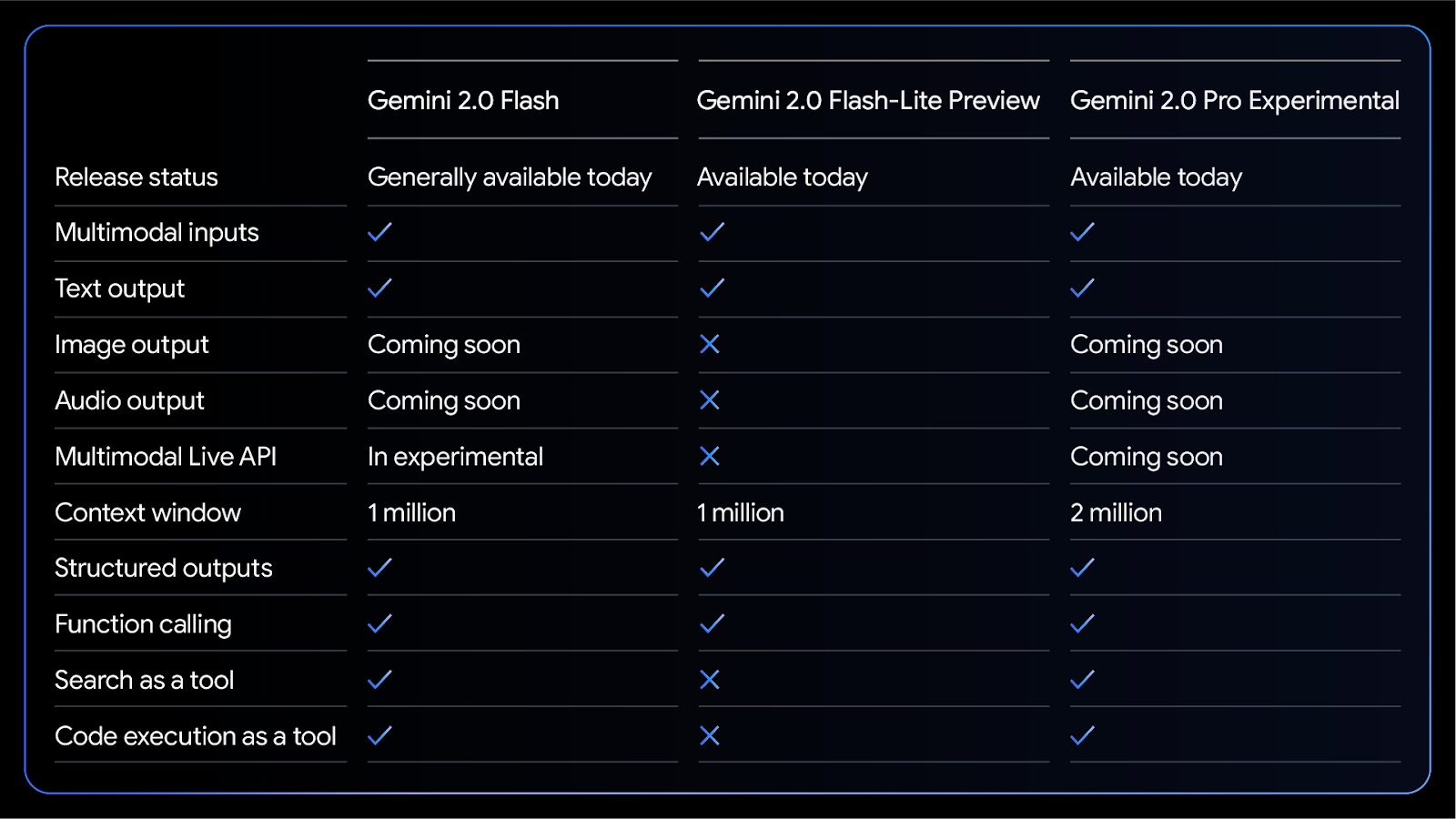
When benchmarking gemini 2.5 pro vs claude 3.7, performance metrics reveal intriguing differences in speed and accuracy.
For instance, Gemini 2.5 Pro often outperforms in tasks requiring rapid processing, such as real-time language translation or complex data synthesis, thanks to its optimized hardware integration with Google's TPUs.
In my analysis, this efficiency makes Gemini a game-changer for dynamic environments like live customer support, where quick responses are crucial. However, it can sometimes sacrifice depth for speed, leading to occasional inaccuracies in nuanced contexts.
Claude 3.7, on the other hand, excels in benchmarks for logical reasoning and long-form content generation, with tests showing higher consistency in multi-turn conversations. Its efficiency stems from a more streamlined model size, which reduces energy consumption.
Personally, I find Claude's approach more sustainable for long-term use, especially as AI ethics gain prominence. This comparison underscores the trade-off between raw power and responsible innovation, urging developers to prioritize based on project requirements.
Use Cases and Practical Applications

Gemini 2.5 pro vs claude 3.7 shines in diverse use cases, from creative content creation to scientific research.
Gemini is particularly effective in multimedia projects, such as video editing software or interactive educational tools, where it can analyze and generate content across formats.
Through creative insights, I've observed that Gemini's ability to blend modalities fosters innovative applications, like AI-assisted art design, but it requires robust data privacy measures to prevent misuse.
Claude 3.7, meanwhile, is better suited for professional settings like legal document review or therapeutic chatbots, where its emphasis on ethical outputs ensures safer interactions.
In my personal view, Claude's strength in maintaining context over extended interactions makes it superior for chatllm scenarios, potentially revolutionizing mental health apps. This analysis highlights how these models can complement each other rather than replace one.
Strengths, Weaknesses, and Future Potential
Both models have distinct strengths that influence their weaknesses in the gemini 2.5 pro vs claude 3.7 matchup.
Gemini's strengths include its expansive knowledge base and adaptability, but weaknesses like higher error rates in ambiguous queries could hinder adoption.
A deeper analysis reveals that future iterations might address this by incorporating more feedback loops, making Gemini a frontrunner in evolving AI landscapes.
Claude's primary strength is its bias mitigation, though it may lag in processing speed compared to Gemini.
Creatively, I envision Claude leading in collaborative AI-human workflows, such as in abacus ai platforms for business analytics, while Gemini pushes boundaries in entertainment and research.
To provide a clear comparison, here's a table summarizing key aspects of gemini 2.5 pro vs claude 3.7:
| Aspect | Gemini 2.5 Pro | Claude 3.7 |
|---|---|---|
| Strengths | Multimodal processing, speed | Ethical alignment, consistency |
| Weaknesses | Higher resource needs, errors | Slower in real-time tasks |
| Best For | Creative and dynamic tasks | Safety-critical applications |
| Token Limit | Up to 1 million | Up to 200,000 |
Chatllm
%20(14).png)
Chatllm, or chat-based large language models, represents a transformative shift in conversational AI, enabling more natural and interactive user experiences. This section explores how models like gemini 2.5 pro vs claude 3.7 fit into the broader chatllm ecosystem, emphasizing their role in everyday communication and problem-solving. As AI becomes more integrated into daily life, understanding chatllm technologies is crucial for leveraging their potential in areas like customer service and personal assistants.
Evolution and Development of Chatllm
The evolution of chatllm has been marked by rapid advancements, from early rule-based chatbots to sophisticated neural networks.
This progression has allowed models to handle contextually rich conversations, learning from vast datasets to improve response quality over time.
In my personal analysis, the shift towards chatllm has democratized AI, making it accessible for non-experts, but it also raises concerns about data privacy and misinformation.
For instance, gemini 2.5 pro vs claude 3.7 exemplifies this growth, with Gemini offering more adaptive learning and Claude focusing on refined dialogue.
A creative insight is that chatllm could evolve into empathetic companions, blending entertainment with utility in ways that redefine human-AI relationships.
Key Features and User Interaction
Chatllm systems excel in features like context retention and personalized responses, enhancing user engagement.
These models use techniques such as attention mechanisms to maintain conversation flow, making interactions feel more human-like.
From an analytical standpoint, gemini 2.5 pro vs claude 3.7 demonstrates how varying architectures impact this; Gemini's multimodal capabilities allow for richer interactions, like discussing images in chat.
However, Claude's ethical safeguards ensure safer exchanges, reducing the risk of offensive outputs.
Personally, I believe chatllm will revolutionize education by providing tailored tutoring, but developers must address biases to ensure inclusivity.
Applications in Various Industries
In industries, chatllm is applied for everything from virtual assistants to automated customer support.
For example, in healthcare, these models can triage patient queries, offering preliminary advice based on symptoms.
My insight is that gemini 2.5 pro vs claude 3.7 could optimize this further, with Gemini handling complex diagnostics and Claude ensuring compliance with regulations.
In retail, chatllm powers recommendation engines, personalizing shopping experiences.
This comprehensive approach highlights chatllm's potential to boost efficiency, though challenges like integration costs remain.
Challenges and Ethical Considerations
Despite its benefits, chatllm faces challenges such as data security and potential job displacement.
Ethical considerations are paramount, with models needing to avoid perpetuating stereotypes.
Analyzing gemini 2.5 pro vs claude 3.7, I note that Claude's design inherently tackles these issues better, promoting trustworthy AI.
Creatively, future chatllm could incorporate emotional intelligence, making interactions more meaningful.
This section underscores the need for balanced development in chatllm to maximize its positive impact.
Abacus ai.

Abacus ai, a leading platform in enterprise AI solutions, leverages advanced technologies to drive data-driven decisions and automation. This discussion connects abacus ai with the broader AI landscape, including insights from gemini 2.5 pro vs claude 3.7, to explore its applications in business intelligence and predictive analytics. As organizations seek scalable AI tools, abacus ai stands out for its focus on accessibility and integration, making it a vital player in the chatllm evolution.
Overview and Core Offerings
Abacus ai provides a suite of tools for building and deploying AI models, emphasizing no-code solutions for non-technical users.
This platform integrates machine learning with business processes, enabling tasks like demand forecasting and anomaly detection.
In my analysis, abacus ai's strength lies in its user-friendly interface, which democratizes AI development, but it may require customization for complex needs.
Comparing it to gemini 2.5 pro vs claude 3.7, abacus ai could enhance Gemini's capabilities for enterprise use, while adopting Claude's ethics for responsible AI.
A creative insight is that abacus ai might pioneer hybrid models, combining conversational AI with predictive analytics for innovative business strategies.
Integration with Other AI Technologies
Integrating abacus ai with technologies like chatllm allows for seamless data processing and interaction.
For instance, users can combine abacus ai's analytics with gemini 2.5 pro vs claude 3.7 for enhanced decision-making.
Personally, I see this as a game-changer for sectors like finance, where real-time insights from chatllm can inform investment strategies.
However, challenges in compatibility might arise, requiring robust APIs.
This integration fosters a more interconnected AI ecosystem, potentially leading to breakthroughs in automated workflows.
Benefits and Real-World Impact
The benefits of abacus ai include cost savings and improved accuracy in predictions, transforming how businesses operate.
By automating routine tasks, it frees up human resources for strategic roles.
From an analytical view, abacus ai outperforms in scalability compared to standalone models like gemini 2.5 pro vs claude 3.7, which are more specialized.
A key insight is its role in sustainability, such as optimizing energy use in manufacturing.
Overall, abacus ai drives tangible value, though users must invest in training to maximize returns.
Future Trends and Innovations
Looking ahead, abacus ai is poised for innovations in AI governance and edge computing.
This could involve deeper ties with chatllm for interactive data visualization.
In my personal assessment, as gemini 2.5 pro vs claude 3.7 advances, abacus ai might incorporate their features to stay competitive.
Creatively, it could lead to AI-driven simulations for risk management.
This forward-thinking approach ensures abacus ai remains relevant in a dynamic tech landscape.
FAQs

What is Gemini 2.5 Pro?
Gemini 2.5 Pro is an advanced AI model developed by Google, designed for multimodal tasks like processing text, images, and audio with high efficiency.
How does Claude 3.7 differ from Gemini 2.5 Pro?
Claude 3.7 focuses on ethical AI and safer interactions, while Gemini 2.5 Pro emphasizes speed and versatility in handling diverse data types.
What role does Chatllm play in AI?
Chatllm refers to chat-based large language models that enable natural conversations, enhancing applications in customer service and virtual assistance.
How can Abacus ai be used in business?
Abacus ai helps businesses automate data analysis and predictive modeling, making it easier to integrate AI into operations without extensive coding.
Is Gemini 2.5 Pro better than Claude 3.7 overall?
The choice between gemini 2.5 pro vs claude 3.7 depends on needs; Gemini excels in creative tasks, while Claude prioritizes safety and ethics.
Conclusion

In summary, the gemini 2.5 pro vs claude 3.7 comparison reveals a dynamic AI landscape where each model offers unique advantages, from Gemini's innovative multimodal capabilities to Claude's ethical robustness. Chatllm technologies further enhance conversational AI, while abacus ai provides practical tools for business integration, collectively driving forward AI's potential in various sectors. This analysis underscores the importance of selecting AI based on specific requirements, ensuring balanced growth in innovation and responsibility.