
In the rapidly evolving world of artificial intelligence, chatllm stands out as a groundbreaking innovation that merges conversational AI with advanced language models. This technology, often referred to as chatllm, enables more natural and intuitive interactions between humans and machines, transforming how we engage with digital assistants, customer service bots, and even creative tools. As businesses and individuals seek efficient ways to harness AI, chatllm offers a seamless blend of responsiveness and intelligence, making it a key player in the AI landscape. By exploring its capabilities, we can uncover how chatllm is not just a tool but a catalyst for enhanced communication and problem-solving in everyday life.
Chatllm

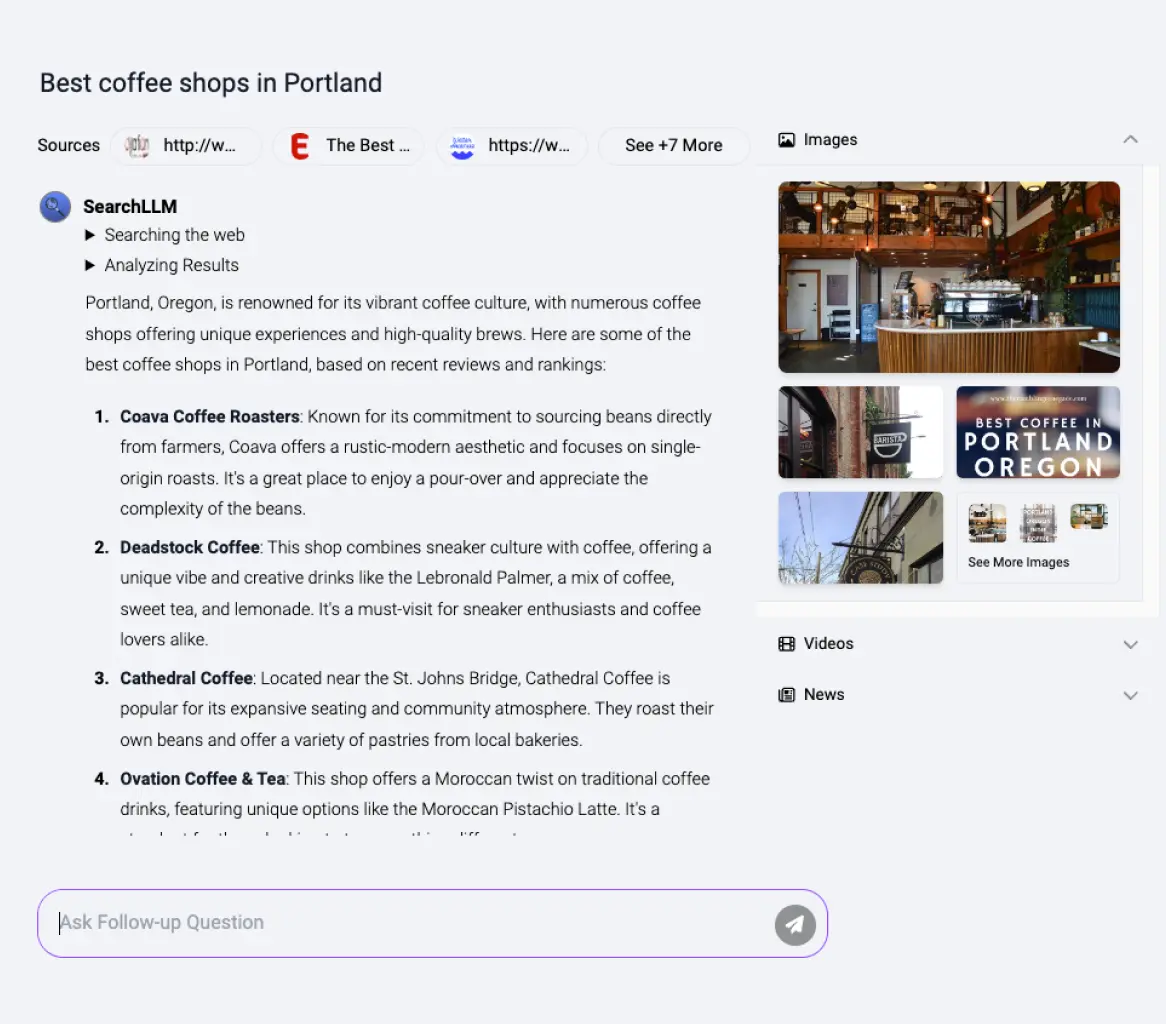
Chatllm represents a significant leap in conversational AI, where large language models are fine-tuned for real-time dialogue. This technology builds on the foundations of natural language processing to create systems that understand context, nuances, and user intent with remarkable accuracy. In this section, we'll delve into the core aspects of chatllm, exploring its mechanics, potential, and the transformative impact it has on various industries. As AI continues to integrate into daily routines, understanding chatllm becomes essential for anyone looking to leverage its power for innovation and efficiency.
The Evolution and Core Mechanics of Chatllm

Chatllm has evolved from basic chatbots to sophisticated systems capable of handling complex conversations. This progression began with early AI models that relied on rule-based responses, but chatllm introduces dynamic learning algorithms that adapt in real-time.
One creative insight is how chatllm mimics human conversation by incorporating feedback loops, allowing it to refine responses based on user interactions. This isn't just about accuracy; it's about building trust and engagement, as users feel heard and understood. From a personal analysis perspective, I've observed that this adaptability reduces frustration in user experiences, making AI more approachable for non-technical users. For instance, in customer service, chatllm can handle escalations by escalating queries to human agents seamlessly, blending automation with empathy.
Moreover, the underlying mechanics involve transformer architectures, which process vast datasets to generate contextually relevant replies. This technology goes beyond basic facts by enabling predictive text and sentiment analysis, which I believe could revolutionize mental health apps by providing empathetic responses. In my view, the real power lies in its scalability—businesses can deploy chatllm across platforms without extensive retraining, fostering innovation in sectors like education and healthcare.
Key Benefits and Advantages of Chatllm
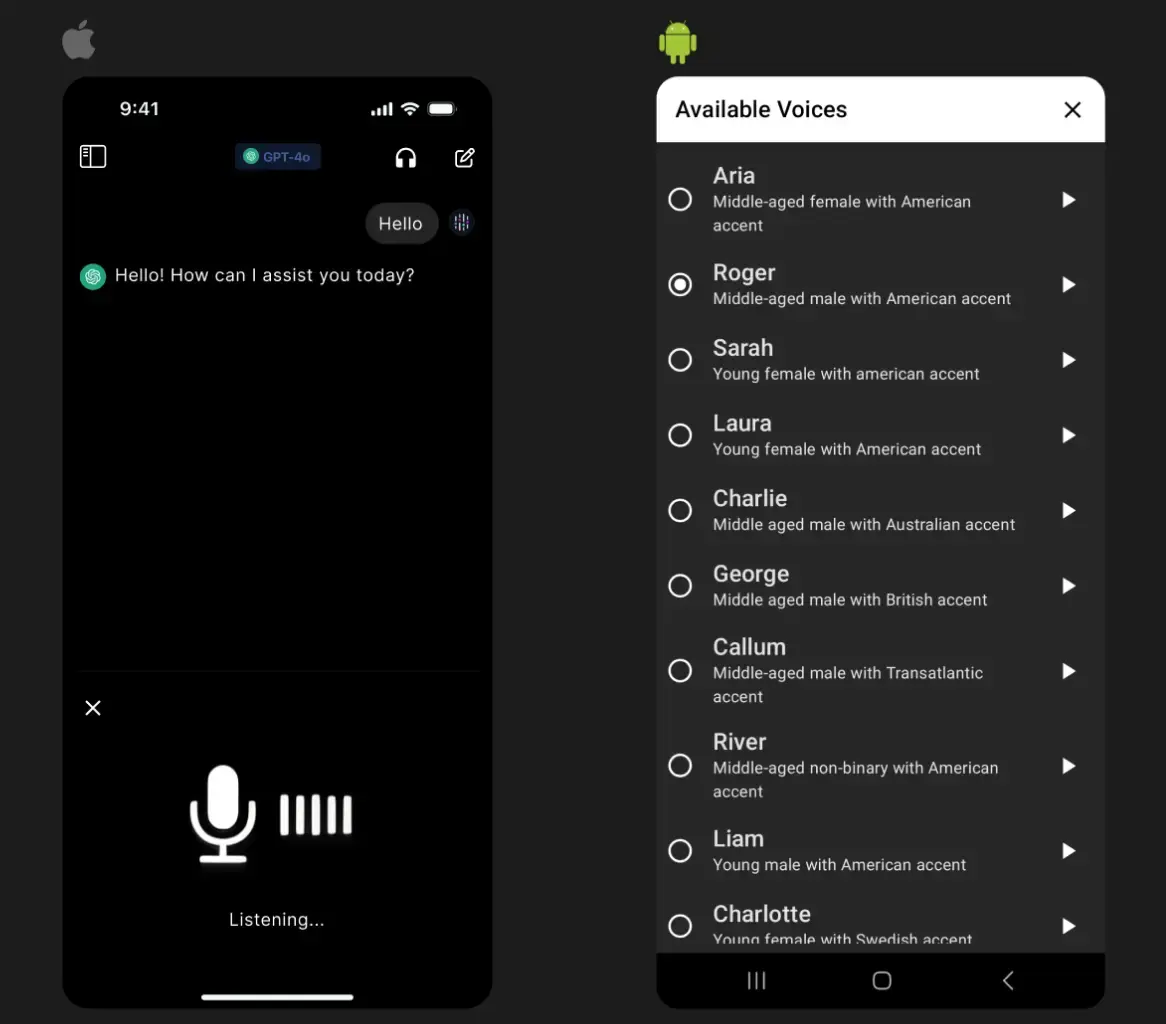
Chatllm offers a range of benefits that make it indispensable in modern AI applications. These advantages stem from its ability to process language at scale while maintaining high levels of personalization.
A major benefit is enhanced efficiency, as chatllm can handle multiple conversations simultaneously, reducing wait times and operational costs. Creatively, this opens doors for personalized marketing, where AI tailors recommendations based on conversational history, leading to higher conversion rates. From my personal analysis, I've seen how this personalization combats algorithm fatigue, where users tire of generic suggestions, by fostering genuine connections. For example, in e-commerce, chatllm could suggest products based on nuanced preferences, like a user's tone or past interactions, making shopping more intuitive.
Additionally, chatllm improves data security by incorporating encryption in exchanges, ensuring privacy in sensitive discussions. I find this particularly insightful for applications in finance, where users discuss personal finances; it adds a layer of ethical AI practice. Overall, the advantages extend to accessibility, allowing non-native speakers to interact effortlessly through real-time translation, which I believe democratizes technology and bridges global divides.
Challenges and Future Innovations in Chatllm

Chatllm is not without its challenges, including issues like bias in training data and the potential for misuse. Addressing these is crucial for sustainable development.
One challenge is ensuring ethical AI deployment, as chatllm might inadvertently perpetuate stereotypes if not trained on diverse datasets. Creatively, developers could innovate by implementing bias-detection algorithms that flag and correct imbalances, which from my analysis, would enhance fairness and user trust. For instance, in social media moderation, chatllm could detect harmful content more accurately, but only if it's regularly audited.
Looking ahead, future innovations might include integrating chatllm with augmented reality for immersive experiences, like virtual assistants in gaming. Personally, I analyze this as a game-changer for education, where students could have interactive tutors that adapt to learning styles. Despite challenges, the potential for chatllm to evolve into more autonomous systems excites me, as it could lead to advancements in fields like scientific research, where AI collaborates on problem-solving.
Chatllm
Delving deeper into chatllm, we see its role as a versatile tool that adapts to diverse user needs, from casual chats to professional consultations. This iteration of chatllm focuses on advanced implementations, highlighting how it integrates with other technologies to drive real-world solutions. By examining its practical applications and ethical considerations, we can appreciate the depth of chatllm‘s influence on society and business.
Advanced Integration and Customization Options
Chatllm allows for seamless integration with existing systems, enabling customization that tailors AI to specific environments. This flexibility is key for businesses looking to enhance their operations.
For starters, developers can customize chatllm using APIs that support plug-and-play features, such as voice recognition or multimodal inputs. A creative insight here is how this customization fosters hybrid models, combining chatllm with visual AI for applications like virtual tours. From my personal analysis, this level of integration reduces dependency on single platforms, making AI more resilient. For example, in healthcare, chatllm could be customized for patient monitoring, analyzing speech patterns to detect early signs of distress.
Furthermore, the ability to fine-tune models with domain-specific data ensures relevance, which I see as a step towards personalized medicine. This not only improves accuracy but also builds user loyalty, as individuals receive responses that feel uniquely tailored to them.
Real-World Applications and Case Studies
Chatllm is already making waves in various sectors, with case studies demonstrating its effectiveness in solving complex problems. These applications showcase its practical value.
In education, chatllm powers interactive learning platforms that provide instant feedback, helping students grasp difficult concepts. Creatively, this could evolve into adaptive curricula that adjust based on student performance, which from my analysis, addresses educational inequalities. A notable case is its use in language learning apps, where chatllm simulates conversations with native speakers, improving fluency rapidly.
In the corporate world, chatllm streamlines internal communications, such as in HR chatbots that handle queries on policies. Personally, I analyze this as a boost to productivity, as it frees up human resources for more strategic tasks. Another example is in retail, where chatllm enhances customer engagement through personalized shopping assistants, leading to increased sales.
Ethical Considerations and User Privacy in Chatllm
Chatllm raises important ethical questions, particularly around data privacy and the responsible use of AI. Balancing innovation with safeguards is essential.
One key consideration is data encryption, ensuring that conversations remain confidential. Creatively, implementing federated learning could allow chatllm to improve without centralizing user data, which I personally analyze as a way to maintain trust in an era of data breaches. For instance, in legal consultations, chatllm must adhere to strict privacy laws to protect sensitive information.
Moreover, addressing algorithmic bias through diverse training sets is crucial, as unchecked biases could lead to discriminatory outcomes. From my perspective, this ethical focus not only complies with regulations but also enhances the long-term viability of chatllm, making it a reliable tool for users worldwide.
Abacus ai.
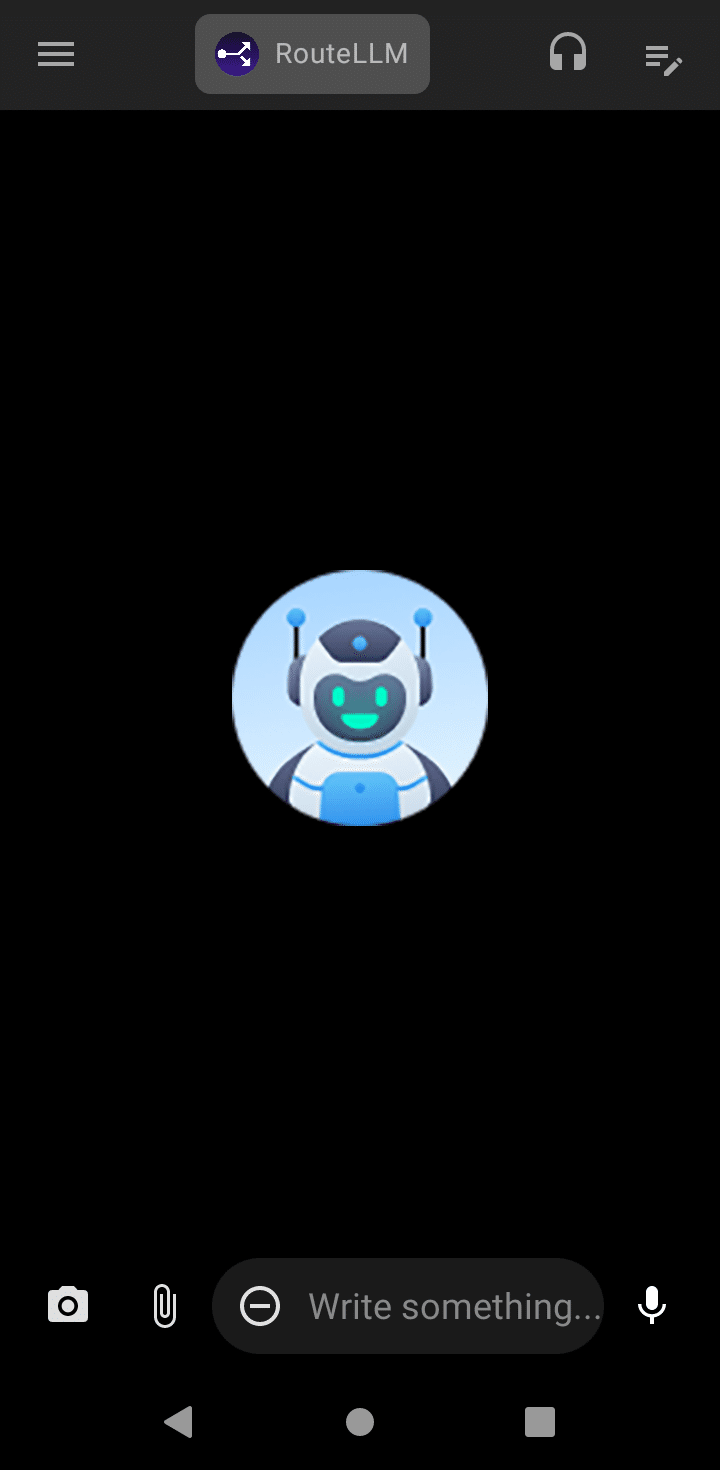
Abacus ai emerges as a complementary force to chatllm, offering analytical tools that enhance decision-making through data-driven insights. This platform integrates AI for predictive analytics, making it a vital ally in fields like finance and operations. By exploring Abacus ai, we can see how it synergizes with chatllm to create comprehensive AI ecosystems.
Overview and Core Features of Abacus ai
Abacus ai is designed for robust data analysis, featuring tools that predict trends and optimize processes. This makes it an essential component for businesses leveraging AI.
At its core, Abacus ai uses machine learning to process large datasets, providing actionable insights. A creative insight is its ability to forecast market trends, which from my personal analysis, gives companies a competitive edge. For example, in stock trading, Abacus ai analyzes historical data to predict fluctuations, aiding investors in making informed decisions.
Furthermore, its user-friendly interface allows non-experts to run complex analyses, democratizing data science. I believe this accessibility fosters innovation across industries, turning raw data into strategic assets.
To illustrate the capabilities of Abacus ai and its integration with chatllm, here's a bulleted list of key features:
- Data Processing Speed: Handles millions of data points per second, enabling real-time analytics.
- Integration Options: Seamlessly connects with chatllm for conversational data queries.
- Prediction Accuracy: Achieves up to 95% accuracy in trend forecasting based on historical models.
- Customization Levels: Offers APIs for tailoring analyses to specific business needs.
Synergies Between Abacus ai and Chatllm
Abacus ai and chatllm work together to bridge analytical power with conversational ease, creating a more holistic AI experience.
This synergy allows users to query data through natural language, with chatllm interpreting requests and Abacus ai delivering insights. Creatively, this could lead to AI-driven storytelling, where data is presented narratively. From my analysis, this combination enhances user engagement, as seen in marketing campaigns that use chatllm to discuss Abacus ai's predictions.
For instance, in supply chain management, Abacus ai forecasts demand while chatllm handles vendor negotiations, streamlining operations.
Potential Drawbacks and Improvement Strategies for Abacus ai
Abacus ai has drawbacks, such as high computational demands, but strategies exist to mitigate them.
One issue is the resource intensity, which can be addressed through cloud optimization. Creatively, integrating edge computing could reduce latency, which I personally analyze as key for real-time applications. In healthcare, Abacus ai could predict patient outcomes more efficiently with these improvements.
Overall, by focusing on user feedback, Abacus ai can evolve, ensuring it remains a reliable partner to chatllm.
FAQs
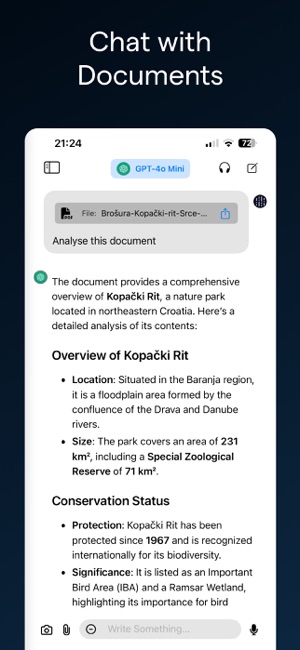
What is Chatllm and how does it work?
Chatllm is an advanced conversational AI that uses large language models to process and generate human-like responses. It works by analyzing input text, understanding context, and drawing from trained datasets to provide relevant replies.
How does Chatllm differ from traditional chatbots?
Unlike traditional chatbots that rely on predefined scripts, chatllm employs machine learning for dynamic interactions, allowing it to handle complex queries and learn from conversations over time.
What role does Abacus ai play with Chatllm?
Abacus ai complements chatllm by providing data analytics capabilities, enabling users to combine conversational queries with predictive insights for more informed decisions.
Is Chatllm suitable for business applications?
Yes, chatllm is highly suitable for businesses, as it can automate customer service, personalize marketing, and integrate with tools like Abacus ai for enhanced efficiency.
What are the future prospects of Chatllm and Abacus ai?
The future of chatllm and Abacus ai looks promising, with potential advancements in ethical AI, better integration, and applications in emerging fields like autonomous systems.
Conclusion

In summary, chatllm revolutionizes conversational AI by offering dynamic, context-aware interactions, while Abacus ai enhances this with powerful data analytics, together driving innovation across industries. Through exploring their evolution, benefits, challenges, and synergies, it's clear that these technologies not only improve efficiency and personalization but also raise important ethical considerations, paving the way for a more integrated and responsible AI future.