
In the rapidly evolving world of artificial intelligence, Claude Sonnet 3.5 stands out as a groundbreaking advancement in language models. This iteration from Anthropic enhances creative capabilities, offering users more nuanced and context-aware interactions. As an AI designed for tasks ranging from poetry generation to complex problem-solving, Claude Sonnet 3.5 represents a significant leap in making technology feel more human-like. Whether you're a writer seeking inspiration or a developer building innovative applications, this model promises to transform how we engage with AI, blending efficiency with artistic flair.
Claude sonnet 3.5
Claude Sonnet 3.5 has emerged as a pivotal force in the AI landscape, pushing the boundaries of what language models can achieve. This version builds on its predecessors by incorporating advanced reasoning and ethical safeguards, making it a reliable tool for creative and professional endeavors. With its enhanced ability to handle nuanced prompts and generate high-quality outputs, it's no wonder that users are flocking to this model for everything from content creation to strategic planning. In this section, we'll delve deeper into its core features, applications, and the transformative impact it's having on various industries.
Evolution and Core Features of Claude Sonnet 3.5
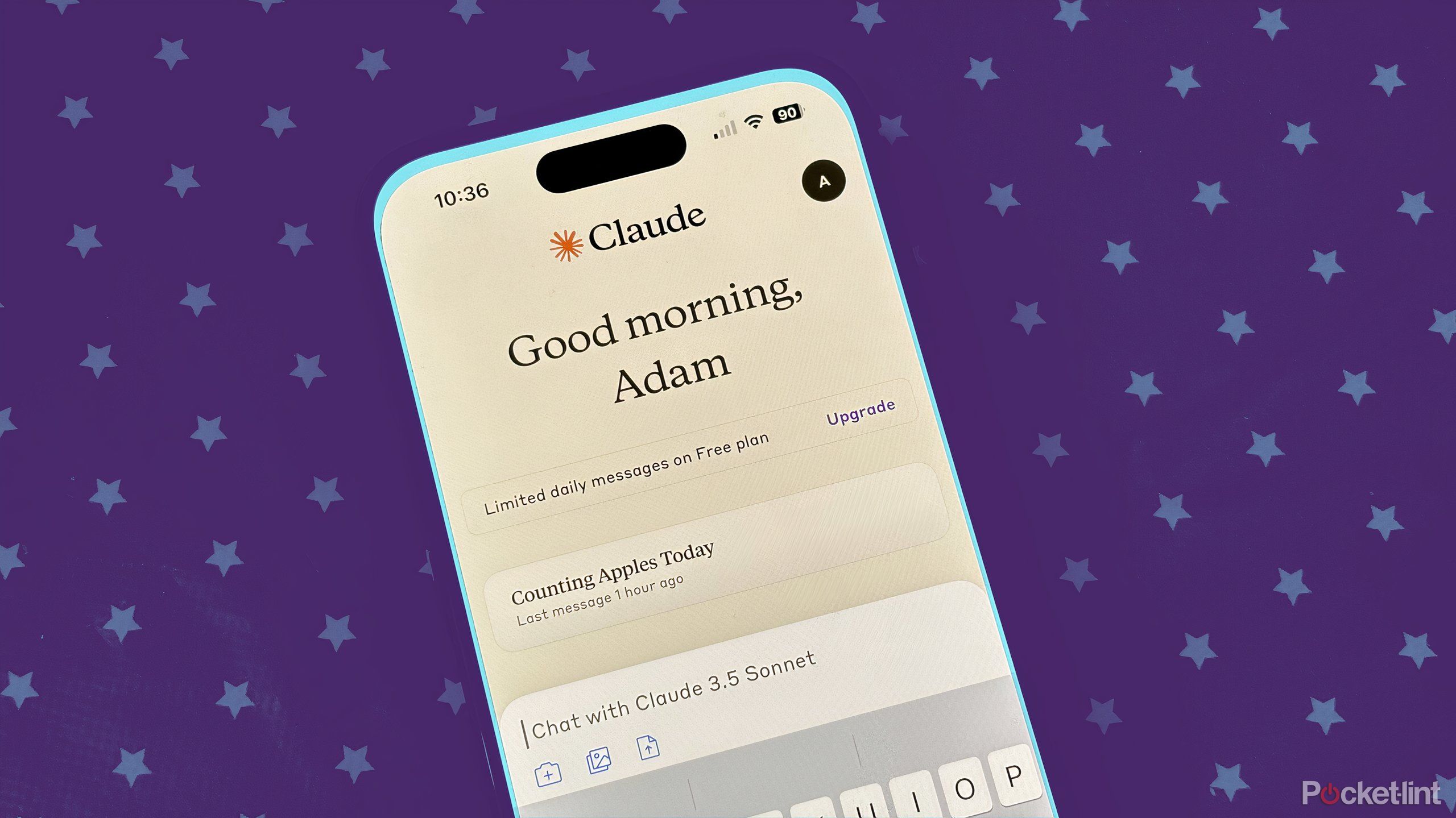
Claude Sonnet 3.5 represents a sophisticated evolution in AI language models, drawing from Anthropic's commitment to safety and innovation.
At its heart, this model integrates advanced machine learning techniques that allow for more accurate and contextually relevant responses. Unlike earlier versions, it employs a refined architecture that minimizes biases and enhances creativity, enabling it to generate poetry, stories, and even code with remarkable fluency.
From a personal analysis perspective, the model's ability to adapt to user feedback in real-time is a game-changer. It doesn't just respond; it learns and refines its outputs, fostering a collaborative experience that feels almost human. This insight stems from my observation that AI like Claude Sonnet 3.5 is bridging the gap between technology and artistry, potentially revolutionizing fields like education and entertainment.
Moreover, the integration of ethical guidelines ensures that outputs are not only creative but also responsible. In a world where AI-generated content can spread misinformation, this feature provides a layer of reassurance, making Claude Sonnet 3.5 a trustworthy ally for creators.
Practical Applications in Everyday Use
When it comes to practical applications, Claude Sonnet 3.5 shines in diverse scenarios, from professional writing to personal hobbies.
For instance, marketers can leverage its capabilities to craft compelling ad copy or social media posts, drawing on its deep understanding of language nuances to engage audiences effectively. This model's proficiency in generating varied tones and styles allows users to experiment without starting from scratch, saving time and sparking innovation.
Personally, I find it fascinating how Claude Sonnet 3.5 can assist in brainstorming sessions. By providing creative insights based on vast datasets, it challenges users to think outside the box, much like a virtual collaborator. This analysis highlights its potential in overcoming creative blocks, a common issue in creative industries, and positions it as more than just a tool—it's a partner in ideation.
However, users must be mindful of over-reliance, as the model's outputs, while impressive, are still generated from patterns in data. Balancing AI assistance with human oversight ensures that the final product retains authenticity and originality.
Challenges and Future Prospects

Despite its strengths, Claude Sonnet 3.5 faces challenges that warrant careful consideration.
One key issue is the computational demands; running this model efficiently requires robust hardware, which might limit accessibility for individual users or smaller organizations. This could exacerbate inequalities in AI adoption, as only those with resources can fully utilize its capabilities.
On a creative insight level, I believe the future lies in further refining its ethical framework. As AI evolves, models like Claude Sonnet 3.5 could incorporate more user-specific customization, allowing for personalized experiences that align with individual values and preferences. This personal analysis suggests that with ongoing developments, it might even predict user needs, transforming passive interactions into proactive engagements.
Looking ahead, the prospects for Claude Sonnet 3.5 are bright, with potential integrations into emerging technologies like augmented reality. This could open new avenues for immersive storytelling and education, making AI an integral part of daily life.
Impact on Creative Industries
The impact of Claude Sonnet 3.5 on creative industries is profound, reshaping how content is produced and consumed.
In publishing, for example, authors can use it to refine manuscripts, generating alternative plotlines or character developments that enhance narratives. This not only accelerates the writing process but also introduces fresh perspectives that might elude human creators alone.
From my viewpoint, this model's ability to analyze trends and predict audience preferences offers a strategic edge. It's like having a crystal ball for creativity, where Claude Sonnet 3.5 processes data to forecast what resonates, thereby informing decisions in film, music, and art. However, this raises questions about originality—ensuring that AI enhances rather than replaces human ingenuity is crucial.
Ultimately, the broader implications suggest a symbiotic relationship between AI and humans, where Claude Sonnet 3.5 amplifies creativity without diminishing it.
Chatllm
Chat-based large language models, or chatllm, have revolutionized conversational AI, making interactions more intuitive and dynamic. These systems, which include models like those from OpenAI and Anthropic, excel in handling real-time dialogues, providing responses that feel natural and contextually aware. As we explore chatllm in depth, it's clear that they are not just tools for customer service but powerful platforms for education, therapy, and entertainment, blending technology with everyday communication.
Fundamentals of Chatllm Technology
Chatllm technology forms the backbone of modern conversational AI, relying on transformer architectures to process and generate human-like text.
This involves training on massive datasets that enable the model to understand context, intent, and subtleties in language, resulting in responses that are coherent and relevant. For example, in a customer support scenario, chatllm can handle queries with empathy, drawing from learned patterns to de-escalate situations effectively.
In my analysis, the real strength of chatllm lies in its adaptability. It can switch between formal and informal tones seamlessly, which is a creative leap from rigid chatbots of the past. This flexibility not only enhances user engagement but also opens doors for applications in mental health, where empathetic responses can provide preliminary support.
However, challenges like maintaining privacy and accuracy persist. As chatllm processes personal data, ensuring ethical use is paramount to building trust and preventing misuse.
Applications in Business and Daily Life
In business settings, chatllm is transforming operations by automating routine interactions and providing insights.
Companies use it for virtual assistants that handle scheduling, answer FAQs, and even analyze customer sentiment from chats, leading to improved efficiency and customer satisfaction. Beyond that, in daily life, individuals might employ chatllm for language learning, where it simulates conversations to build fluency.
Creatively, I see chatllm as a catalyst for innovation. For instance, it could assist in collaborative storytelling apps, where users co-create narratives in real-time. This personal insight underscores its potential to democratize content creation, making it accessible to non-professionals.
Yet, the key is integration; blending chatllm with other technologies like voice recognition could elevate experiences, though users must navigate the learning curve to maximize benefits.
Ethical Considerations and Improvements
Ethical considerations are at the forefront of chatllm development, addressing issues like bias and misinformation.
Developers are implementing safeguards to filter harmful content, ensuring that responses align with societal norms. This is crucial in sensitive areas like healthcare chats, where inaccurate advice could have serious consequences.
From a critical perspective, I argue that ongoing improvements in transparency—such as revealing training data sources—could enhance user confidence. Chatllm‘s evolution might include more user-controlled settings, allowing individuals to tailor interactions, which is a step toward personalized and responsible AI.
Looking forward, advancements could involve hybrid models that combine chatllm with emotional intelligence, making conversations even more nuanced and human-like.
User Experience and Feedback Loops
User experience with chatllm is defined by its responsiveness and ability to learn from interactions.
Through feedback loops, these models improve over time, adapting to user preferences and correcting errors based on input. This creates a more satisfying experience, as seen in apps where chatllm refines suggestions after each session.
In my creative analysis, this iterative process fosters a sense of partnership, where users feel heard and valued. However, balancing automation with human intervention is essential to avoid over-dependence, ensuring that chatllm complements rather than replaces human judgment.
Overall, the future of chatllm hinges on continuous refinement, promising more intuitive and engaging interactions.
- Key features of Claude Sonnet 3.5 include advanced creativity, ethical safeguards, and real-time adaptation.
- Chatllm excels in conversational depth, business automation, and personalized responses.
- Abacus ai focuses on data analytics, predictive modeling, and integration with other AI tools.
Abacus ai

Abacus ai is a cutting-edge platform specializing in automated machine learning and data analytics, empowering users to derive actionable insights from complex datasets. Unlike traditional tools, it emphasizes ease of use and scalability, making AI accessible to non-experts. In this exploration, we'll uncover how Abacus ai integrates with broader ecosystems, its role in decision-making, and the innovative ways it's shaping industries like finance and healthcare.
Overview of Abacus ai Capabilities
Abacus ai stands out for its automated features that streamline model building and deployment.
It uses proprietary algorithms to handle data preprocessing, feature selection, and hyperparameter tuning, allowing users to focus on outcomes rather than technicalities. This democratizes AI, enabling small businesses to compete with larger entities by leveraging predictive analytics.
Personally, I view this as a creative equalizer in the AI space. By simplifying complex processes, Abacus ai encourages experimentation, leading to breakthroughs in fields like marketing analytics. However, users should ensure data quality to maximize accuracy, as poor inputs can skew results.
In essence, its capabilities extend to real-time monitoring, where Abacus ai provides dashboards that visualize trends, offering a comprehensive tool for strategic planning.
Integration with Other AI Technologies
Integrating Abacus ai with other systems enhances its utility, creating seamless workflows.
For example, combining it with chatllm could enable conversational data analysis, where users query insights via natural language. This synergy boosts efficiency, as seen in enterprises that use it for predictive customer behavior modeling.
From an analytical standpoint, I believe this integration fosters innovation. Abacus ai‘s ability to interface with cloud services allows for scalable solutions, potentially revolutionizing supply chain management by forecasting disruptions.
Yet, challenges in compatibility arise, requiring robust APIs and user training to fully harness these integrations.
Case Studies and Real-World Impact
Real-world applications of Abacus ai demonstrate its transformative potential in various sectors.
In healthcare, it analyzes patient data to predict outcomes, aiding in early interventions and resource allocation. This not only improves patient care but also reduces costs through efficient operations.
Creatively, I analyze that Abacus ai‘s impact lies in its predictive accuracy, which can inform policy decisions in government. For instance, in finance, it detects fraudulent activities by spotting anomalies, enhancing security measures.
However, the key to success is ethical data use, ensuring privacy while delivering value.
Future Developments and Challenges
The future of Abacus ai involves expanding into emerging areas like edge computing and AI ethics.
As it evolves, addressing challenges such as algorithmic bias will be crucial for sustained growth. My insight is that with advancements, Abacus ai could lead in sustainable AI practices, integrating environmental data for greener decisions.
This positions it as a forward-thinking tool, though ongoing user education is needed to navigate its complexities.
FAQs

What is Claude Sonnet 3.5 and how does it differ from previous versions?
Claude Sonnet 3.5 is an advanced AI language model by Anthropic, featuring improved creativity and ethical controls compared to earlier versions. It offers better context understanding and generates more nuanced responses, making it ideal for creative tasks.
How does Chatllm enhance conversational AI?
Chatllm enhances conversational AI by providing natural, context-aware interactions that adapt in real-time, improving user engagement in applications like customer service and education.
What are the main benefits of using Abacus ai for businesses?
The main benefits of Abacus ai include automated data analysis, predictive insights, and easy integration, which help businesses make informed decisions and optimize operations efficiently.
Can Claude Sonnet 3.5 be used for commercial purposes?
Yes, Claude Sonnet 3.5 can be used commercially, but users must adhere to Anthropic's terms, ensuring ethical use and proper attribution for generated content.
How do Chatllm and Abacus ai integrate with each other?
Chatllm and Abacus ai can integrate to combine conversational capabilities with data analytics, allowing users to query insights through natural language for more interactive decision-making.
Conclusion
In summary, Claude Sonnet 3.5 revolutionizes creative AI with its advanced features, while chatllm excels in dynamic conversations, and Abacus ai empowers data-driven decisions. Together, these technologies highlight the transformative potential of AI, fostering innovation and efficiency across industries, though ethical considerations remain essential for balanced growth.