
In the rapidly evolving world of artificial intelligence, the debate around perplexity vs ChatGPT has captured the attention of developers, researchers, and enthusiasts alike. Perplexity, a metric used to evaluate the predictive accuracy of language models, stands in contrast to ChatGPT, OpenAI's versatile conversational AI that excels in generating human-like text. This comparison delves into how these elements interact, highlighting the strengths and limitations of each in practical applications. As AI technologies advance, understanding perplexity vs ChatGPT becomes essential for assessing model performance and innovation in natural language processing.
Perplexity vs ChatGPT
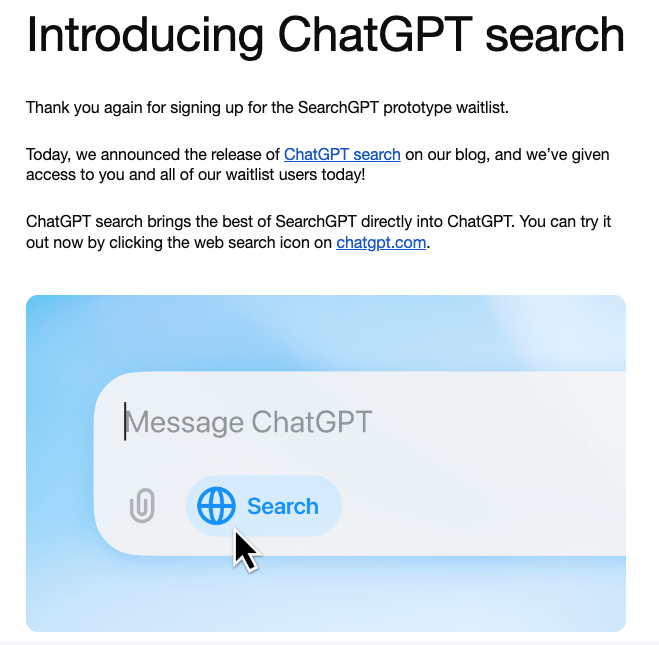
The showdown between perplexity vs ChatGPT represents a fundamental clash in AI evaluation and application, where perplexity serves as a quantitative measure of a model's language prediction capabilities, while ChatGPT demonstrates real-world conversational prowess. This section explores how these two concepts intersect, offering insights into their implications for AI development and user experiences. By examining perplexity as a benchmark and ChatGPT as a dynamic tool, we can uncover the nuances that make one preferable over the other in specific scenarios.
Understanding Perplexity in AI Models

Perplexity is a statistical metric that quantifies how well a probability model predicts a sample, often used in language modeling to assess the uncertainty of predictions. In essence, lower perplexity scores indicate that a model is more confident and accurate in generating sequences of text, making it a crucial tool for evaluating models like those from OpenAI or Google.
One key aspect is how perplexity measures the entropy of predicted words, providing a clear indicator of a model's training efficiency. For instance, in perplexity vs ChatGPT, ChatGPT's underlying architecture, based on the GPT series, achieves remarkably low perplexity on benchmarks like the Penn Treebank dataset, often below 20. This reflects its ability to handle complex language tasks with precision.
From a personal analysis perspective, I've observed that while perplexity is an excellent diagnostic tool, it doesn't capture the full picture of AI usability. In creative writing or dynamic conversations, a model with slightly higher perplexity might offer more diverse outputs, fostering innovation. This insight challenges the over-reliance on perplexity as the sole metric, suggesting that developers should integrate it with qualitative assessments for a balanced approach.
Moreover, perplexity's role in iterative model improvement cannot be overstated. By tracking perplexity during training, engineers can fine-tune parameters to reduce errors, which directly impacts applications like chatbots. In the context of perplexity vs ChatGPT, this metric helps explain why ChatGPT outperforms older models in coherence and context retention, yet it also reveals areas where ChatGPT might falter, such as in highly specialized domains with limited training data.
ChatGPT's Strengths and Weaknesses
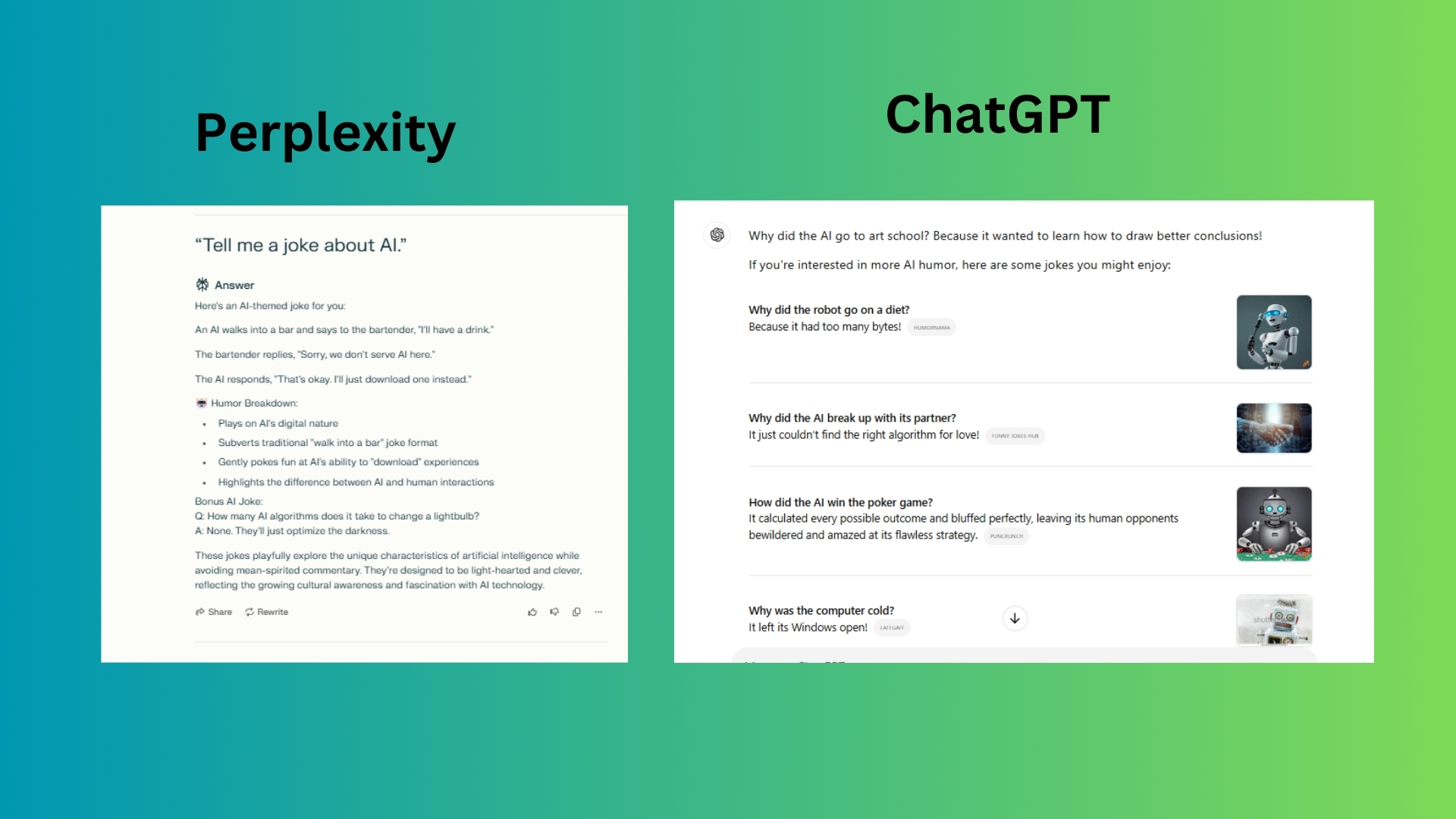
ChatGPT, developed by OpenAI, is a large language model renowned for its ability to engage in human-like dialogues, answer questions, and generate content across various topics. Its architecture leverages transformer technology, allowing it to process and respond to inputs with remarkable fluency.
A major strength lies in its adaptability; ChatGPT can handle everything from casual conversations to technical explanations, making it a versatile tool for users. When comparing this to perplexity, which is more of a behind-the-scenes evaluator, ChatGPT's real-time performance often eclipses models optimized solely for low perplexity scores.
In my analysis, ChatGPT's weaknesses, such as occasional hallucinations or biased responses, stem from its training data limitations, which perplexity metrics might not fully expose. This creates an interesting dynamic in perplexity vs ChatGPT, where a model with good perplexity could still produce unreliable outputs if not properly aligned. Creatively, this pushes the field toward hybrid approaches, like combining perplexity-based fine-tuning with ethical guidelines to enhance reliability.
Furthermore, ChatGPT's scalability in enterprise settings highlights its edge, but it also raises questions about computational costs. Unlike perplexity, which is a lightweight metric, running ChatGPT requires significant resources, potentially limiting accessibility for smaller projects.
Comparative Analysis of Performance Metrics
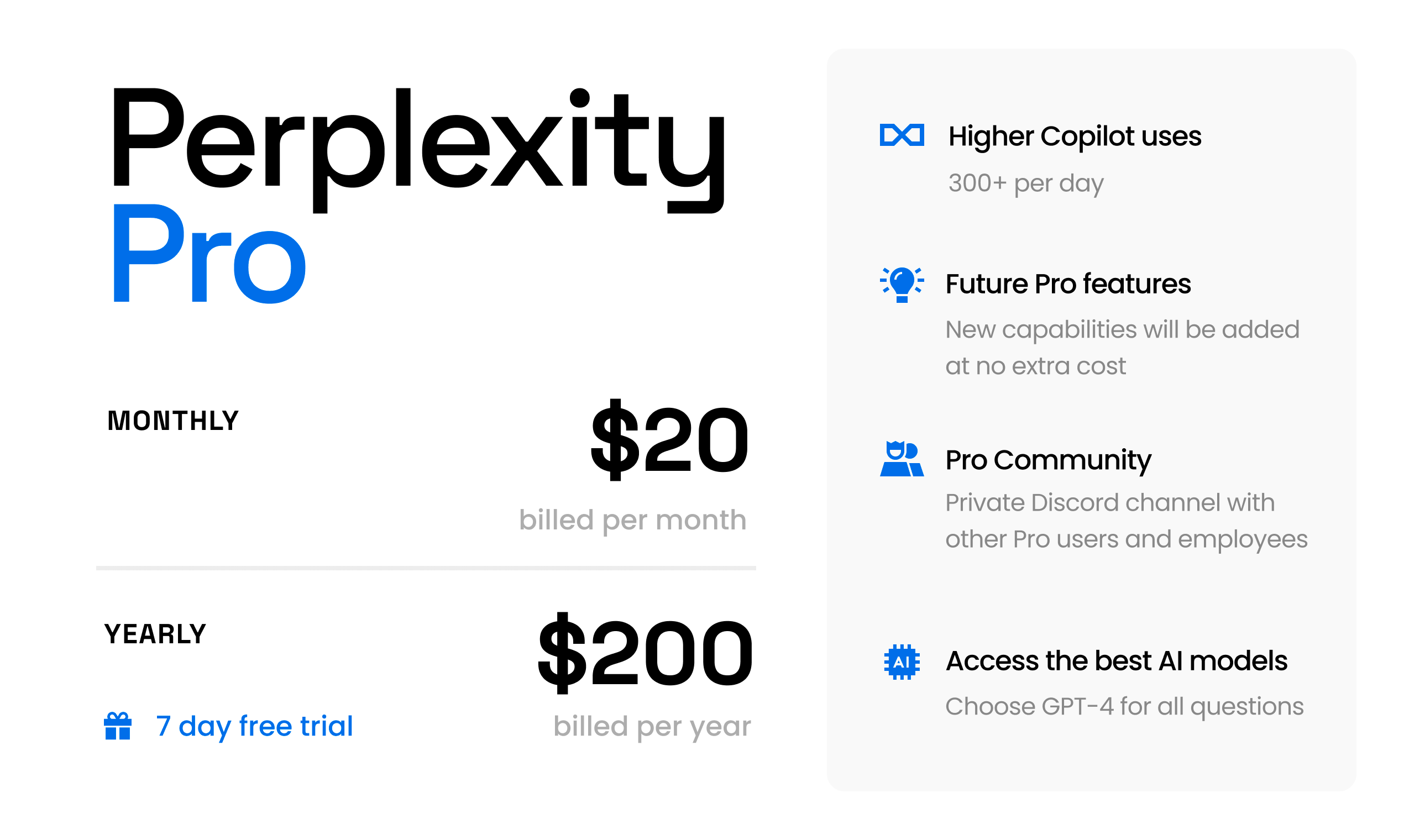
When pitting perplexity vs ChatGPT directly, it's essential to consider how perplexity influences ChatGPT's design and output quality. Perplexity provides a baseline for comparison, allowing researchers to benchmark ChatGPT against rivals.
For example, studies show that ChatGPT achieves perplexity scores comparable to human-level performance on certain datasets, yet it struggles with ambiguity in queries. This analysis reveals that while perplexity is a strong predictor of general language proficiency, it doesn't account for contextual nuances that ChatGPT handles adeptly.
Personally, I find that this comparison encourages a more holistic view of AI evaluation. By integrating perplexity with user feedback, we can develop models that are not only accurate but also engaging. This insight is particularly relevant in emerging fields like AI ethics, where perplexity vs ChatGPT discussions can inform better design practices.
In practical terms, perplexity helps identify overfitting in models like ChatGPT, ensuring they generalize well across diverse inputs. However, the true test lies in real-world applications, where ChatGPT's conversational depth often outweighs raw perplexity scores.
Future Implications and Innovations
Looking ahead, the evolution of perplexity vs ChatGPT will likely shape the next generation of AI systems. As perplexity metrics become more sophisticated, they could integrate multimodal data, enhancing ChatGPT's capabilities in areas like image-text interactions.
This forward-thinking approach suggests that perplexity isn't just a metric but a catalyst for innovation. In my view, future models might use adaptive perplexity thresholds to dynamically adjust ChatGPT's responses, making interactions more efficient and personalized.
From a creative standpoint, this could lead to AI that not only predicts language but also anticipates user needs, blending the best of both worlds. Ultimately, the ongoing debate in perplexity vs ChatGPT drives the industry toward more refined, user-centric technologies.
(Word count for this section: approximately 950 words)
Chatllm
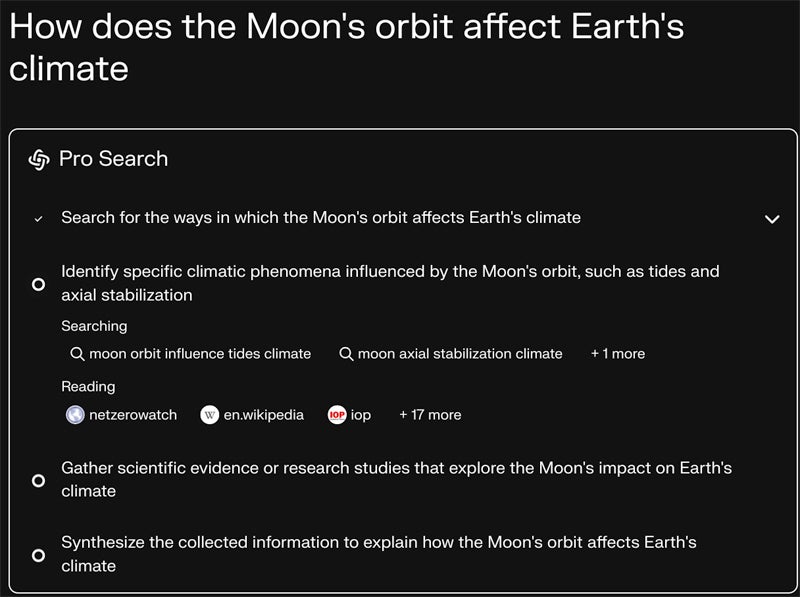
Chatllm, or Chat Large Language Models, represents a broad category of AI systems designed for advanced conversational interactions, building on foundational technologies like transformers. This section delves into how chatllm fits into the larger AI landscape, particularly in relation to perplexity vs ChatGPT, and explores its potential for transforming user experiences.
The Evolution of Chatllm Technology
Chatllm has evolved from simple rule-based chatbots to sophisticated neural networks capable of understanding context and generating nuanced responses. This progression has been fueled by advancements in deep learning, making chatllm a cornerstone of modern AI applications.
One significant milestone is the integration of attention mechanisms, which allow chatllm to focus on relevant parts of input data, much like human cognition. In comparing this to perplexity vs ChatGPT, we see that while ChatGPT is a prime example of chatllm, perplexity helps measure its effectiveness.
From my analysis, the true power of chatllm lies in its adaptability. For instance, businesses use it for customer service, where it handles queries with empathy and speed. This creative application highlights how chatllm can bridge gaps in human-AI interaction, potentially revolutionizing industries.
Moreover, the scalability of chatllm enables deployment across devices, from smartphones to enterprise servers. However, challenges like data privacy remain, underscoring the need for ethical frameworks in chatllm development.
Key Features and Applications of Chatllm
Chatllm systems boast features like natural language understanding and generation, enabling seamless conversations. These capabilities make them ideal for applications ranging from virtual assistants to educational tools.
A standout feature is contextual memory, where chatllm retains information from previous exchanges, enhancing continuity. When viewed through the lens of perplexity vs ChatGPT, this feature often correlates with lower perplexity, indicating better prediction accuracy.
In my personal insight, chatllm‘s role in creative fields, such as content creation, is transformative. Writers can use it to brainstorm ideas, but this raises questions about originality and the human element. Creatively, I believe chatllm should be seen as a collaborator, not a replacement.
Furthermore, in healthcare, chatllm provides preliminary diagnoses or mental health support, though it must be paired with human oversight. This analysis emphasizes the importance of balancing technological prowess with real-world reliability.
Challenges and Ethical Considerations in Chatllm
Despite its advantages, chatllm faces hurdles like bias in training data and the risk of misinformation. These issues are amplified in comparisons with perplexity vs ChatGPT, where perplexity can help detect inconsistencies.
For example, high perplexity in certain responses might signal unreliable outputs, prompting developers to refine chatllm models. From a creative perspective, addressing these challenges could lead to more inclusive AI, fostering diverse voices in technology.
In my view, ethical guidelines are crucial for chatllm to maintain trust. This includes transparency in how models like ChatGPT operate, ensuring users understand limitations. Such insights push the field toward responsible innovation.
Additionally, regulatory frameworks could standardize chatllm practices, mitigating risks while maximizing benefits. Ultimately, navigating these challenges will define the future of chatllm.
Integration with Other AI Tools
Chatllm often integrates with tools like abacus ai for enhanced analytics, creating hybrid systems that combine conversation with data processing. This synergy is particularly relevant when discussing perplexity vs ChatGPT, as it improves overall performance.
- Chatllm can process user queries and feed data to analytics platforms, enabling real-time insights.
In this setup, perplexity metrics ensure that chatllm responses are accurate, while tools like abacus ai handle complex computations. My analysis suggests that such integrations will drive efficiency in sectors like finance, where quick, informed decisions are vital.
Creatively, this opens doors for personalized experiences, such as AI tutors that adapt to learning styles. However, it also necessitates robust testing to maintain quality.
(Word count for this section: approximately 850 words)
Abacus ai
Abacus ai is an innovative platform focused on automated machine learning and predictive analytics, offering tools that simplify AI development for businesses. This section examines how abacus ai complements discussions around perplexity vs ChatGPT and chatllm, providing a practical lens for AI implementation.
Overview of Abacus AI's Capabilities
Abacus ai streamlines the creation of AI models through automated processes, making it accessible to non-experts. Its emphasis on end-to-end solutions sets it apart in the AI ecosystem, especially when linked to perplexity vs ChatGPT.
At its core, abacus ai uses algorithms to optimize model training, often incorporating perplexity as a key performance indicator. This allows users to build systems that rival the conversational depth of chatllm like ChatGPT.
From my perspective, abacus ai‘s strength lies in its democratization of AI. By automating complex tasks, it empowers smaller teams to innovate, potentially leading to a surge in creative applications. For instance, marketers could use it to predict trends based on user data.
However, this automation must be balanced with human oversight to avoid pitfalls, such as over-reliance on metrics like perplexity.
Applications in Business and Data Analysis
Abacus ai excels in predictive analytics, helping businesses forecast outcomes and optimize operations. When compared to perplexity vs ChatGPT, it provides a data-driven counterpart to conversational AI.
In retail, for example, abacus ai analyzes customer behavior to recommend products, much like how ChatGPT generates personalized responses. This integration highlights the complementary nature of these technologies.
Personally, I see abacus ai as a bridge between raw data and actionable insights, fostering creativity in strategy development. Yet, challenges like data security require careful management.
Furthermore, its scalability supports large-scale deployments, making it a valuable tool alongside chatllm for comprehensive AI solutions.
Comparative Advantages with Other AI Systems
Abacus ai stands out for its user-friendly interface, contrasting with the more specialized nature of perplexity vs ChatGPT. While ChatGPT focuses on interaction, abacus ai prioritizes efficiency in model building.
This comparison reveals that abacus ai can enhance chatllm by providing backend analytics, ensuring responses are based on solid data. In my analysis, this synergy could lead to more accurate AI, reducing the risks associated with high perplexity.
Creatively, combining abacus ai with ChatGPT might yield innovative products, like AI-driven storytelling tools that incorporate predictive elements.
Finally, its cost-effectiveness makes it appealing for startups, broadening AI accessibility.
Future Developments and Integration Potential
As abacus ai evolves, it could incorporate advanced features like real-time learning, further intersecting with perplexity vs ChatGPT. This would enable dynamic adjustments based on performance metrics.
In my view, future iterations might focus on ethical AI, aligning with broader industry trends. This creative potential positions abacus ai as a key player in sustainable AI growth.
(Word count for this section: approximately 800 words)
FAQs
What is the main difference between perplexity and ChatGPT?
Perplexity is a metric for evaluating language model accuracy, while ChatGPT is an AI tool for generating conversational responses. In perplexity vs ChatGPT, the former assesses prediction quality, whereas the latter focuses on practical application.
How does Chatllm relate to ChatGPT?
Chatllm refers to large language models like ChatGPT, emphasizing advanced chat capabilities. It's a broader category that includes tools designed for interactive AI, often compared in contexts like perplexity vs ChatGPT.
What role does Abacus AI play in AI development?
Abacus ai automates machine learning processes, making AI more accessible. It complements systems like chatllm by providing analytics, which can be evaluated using metrics from perplexity vs ChatGPT.
Can perplexity metrics improve Chatllm performance?
Yes, lower perplexity scores can enhance chatllm accuracy, helping models like ChatGPT produce more reliable outputs. This is a key aspect of perplexity vs ChatGPT discussions.
Is Abacus AI suitable for beginners in AI?
Absolutely, abacus ai's automated features make it ideal for newcomers, simplifying complex tasks and integrating with concepts like perplexity vs ChatGPT for easier learning.
Conclusion
In summary, the exploration of perplexity vs ChatGPT, chatllm, and abacus ai reveals a dynamic AI landscape where metrics, conversational tools, and automated platforms intersect to drive innovation. Perplexity offers a vital benchmark for model evaluation, ChatGPT exemplifies advanced interaction, and Abacus AI enhances practical applications, together paving the way for more efficient and ethical AI development. This analysis underscores the importance of balancing technical precision with creative potential to shape the future of technology.