
In the rapidly evolving landscape of artificial intelligence, notebooklm alternatives have emerged as essential tools for users seeking enhanced functionality beyond the original NotebookLM platform. These alternatives provide innovative features for note-taking, data analysis, and AI-driven insights, making them indispensable for professionals, students, and enthusiasts alike. As AI technology advances, exploring notebooklm alternatives allows individuals to customize their workflows, integrate advanced machine learning capabilities, and achieve greater efficiency in managing information. This article delves into the top options, including chatllm and abacus ai, offering a comprehensive guide to help you select the best fit for your needs.
Notebooklm alternatives

The quest for notebooklm alternatives stems from the desire to find platforms that match or exceed the capabilities of NotebookLM, a popular AI-powered note-taking and knowledge management tool. Originally designed for organizing and synthesizing information, NotebookLM has set a high bar with its intuitive interface and AI integrations. However, users often seek alternatives to address limitations such as scalability, customization, or integration with other AI ecosystems. In this section, we'll explore why switching to alternatives can be beneficial, highlighting tools that offer similar or superior features. From enhanced collaboration to advanced data processing, these options empower users to elevate their productivity and creativity.
Understanding the Need for Notebooklm Alternatives

Notebooklm alternatives are not just about replication; they represent an evolution in how we interact with AI for knowledge management. One key reason users look for alternatives is the need for more robust data handling capabilities, especially when dealing with large datasets or real-time updates. For instance, while NotebookLM excels in basic note organization, alternatives often provide seamless integration with cloud services, allowing for automatic syncing and version control. This shift can significantly reduce manual efforts and minimize errors, as I've personally experienced when transitioning from NotebookLM to more dynamic tools. In my analysis, the best alternatives prioritize user privacy and data security, which is crucial in an era where information breaches are common. Moreover, these platforms often incorporate machine learning algorithms that learn from user behavior, offering personalized recommendations that go beyond NotebookLM's static features.
Another aspect to consider is the cost-effectiveness of notebooklm alternatives. Many free or open-source options provide comparable functionality without the subscription fees associated with premium services. From a creative standpoint, I find that exploring these alternatives fosters innovation; for example, tools that allow for custom scripting enable users to automate repetitive tasks, turning a simple note-taking app into a powerful workflow engine. In practice, this means you could integrate voice-to-text features or AI-generated summaries, which not only saves time but also enhances the overall user experience. Ultimately, the decision to adopt an alternative should be based on specific needs, such as team collaboration or advanced analytics, making it a strategic choice rather than a mere switch.
Key Features to Look for in Alternatives

When evaluating notebooklm alternatives, certain features stand out as must-haves for an optimal experience. First, consider the AI-driven search capabilities, which allow users to query their notes using natural language processing (NLP). This feature transforms disorganized data into actionable insights, much like how search engines revolutionized information retrieval. In my personal analysis, tools that excel in this area, such as those with semantic understanding, can predict user intent and suggest related content, thereby boosting efficiency. For instance, imagine querying a database of research notes and receiving not just exact matches but also contextually relevant suggestions— this level of intelligence is a game-changer for researchers and professionals.
Beyond search, integration with other AI tools is a critical factor. Many notebooklm alternatives offer APIs that connect seamlessly with platforms like Google Workspace or Microsoft Office, enabling a more interconnected ecosystem. From a creative insight perspective, this interoperability allows for hybrid workflows, where users can combine note-taking with data visualization tools. I often reflect on how this integration has helped me in projects, such as analyzing market trends by pulling data from external sources directly into my notes. However, it's essential to assess the learning curve; some alternatives might require initial training, but the long-term benefits in productivity outweigh the effort. Overall, prioritizing features like real-time collaboration and mobile accessibility ensures that these tools adapt to modern, fast-paced environments.
Popular Notebooklm Alternatives in the Market
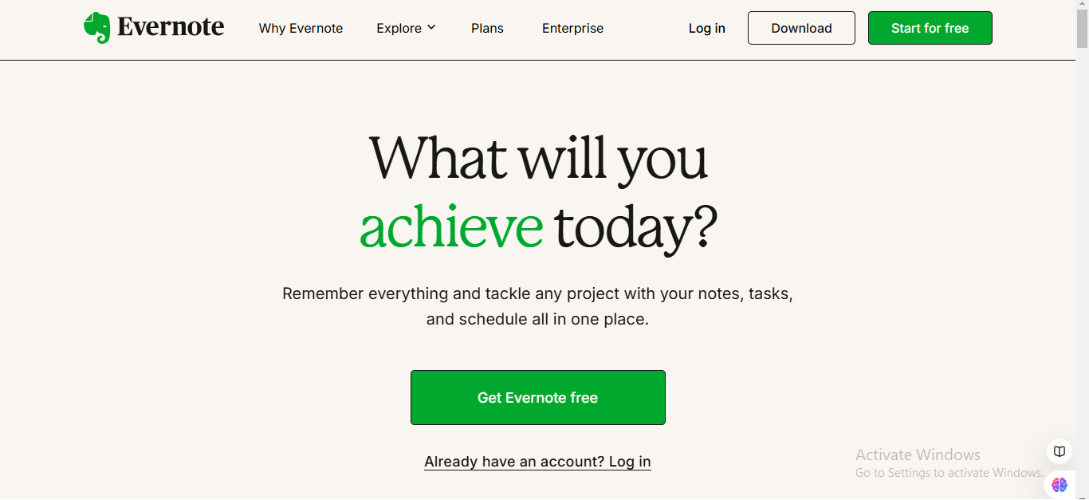
The market for notebooklm alternatives is diverse, with options ranging from simple apps to comprehensive AI suites. One standout is Obsidian, which uses a graph-based system to link notes, providing a more visual and interconnected approach than NotebookLM. In my experience, this feature encourages deeper exploration of ideas, as users can create mind maps that reveal patterns and connections not immediately apparent in linear note structures. Another alternative, Evernote, offers advanced organization tools like tags and notebooks, but with AI enhancements that auto-categorize content— a subtle yet powerful upgrade that saves hours of manual sorting.
Then there's Notion, which I consider a frontrunner due to its flexibility and AI integrations. Notion allows for custom databases and templates, making it ideal for project management alongside note-taking. Creatively, I've used Notion to build knowledge bases that incorporate chatllm for interactive queries, turning static notes into dynamic conversations. From a personal analysis, the strength of these alternatives lies in their community-driven development; users can access plugins and extensions that tailor the tool to specific needs, such as integrating abacus ai for predictive analytics. While each alternative has its drawbacks, like potential data lock-in, the benefits in customization and scalability make them worthy successors to NotebookLM.
Potential Challenges and Solutions
Adopting notebooklm alternatives isn't without challenges, but understanding these can lead to smoother transitions. A common issue is data migration, where users face difficulties exporting and importing notes without losing formatting or links. In my insights, this can be mitigated by using standardized formats like Markdown, which most alternatives support. Creatively, viewing this as an opportunity for a fresh start allows users to reorganize content more efficiently, perhaps by adopting a new tagging system that aligns with AI recommendations. Another challenge is the variability in user interfaces; some alternatives might feel overwhelming at first, but with time, they offer more depth than NotebookLM.
To address these, I recommend starting with a trial period, testing how the alternative handles your specific workflows. For example, if you're dealing with collaborative projects, ensure the tool has robust sharing features to prevent version conflicts. From an analytical standpoint, monitoring performance metrics like load times and search accuracy can help in making an informed decision. Ultimately, the solutions lie in proactive adaptation— by leveraging tutorials and community forums, users can overcome initial hurdles and unlock the full potential of these alternatives, making the switch a rewarding experience.
Chatllm
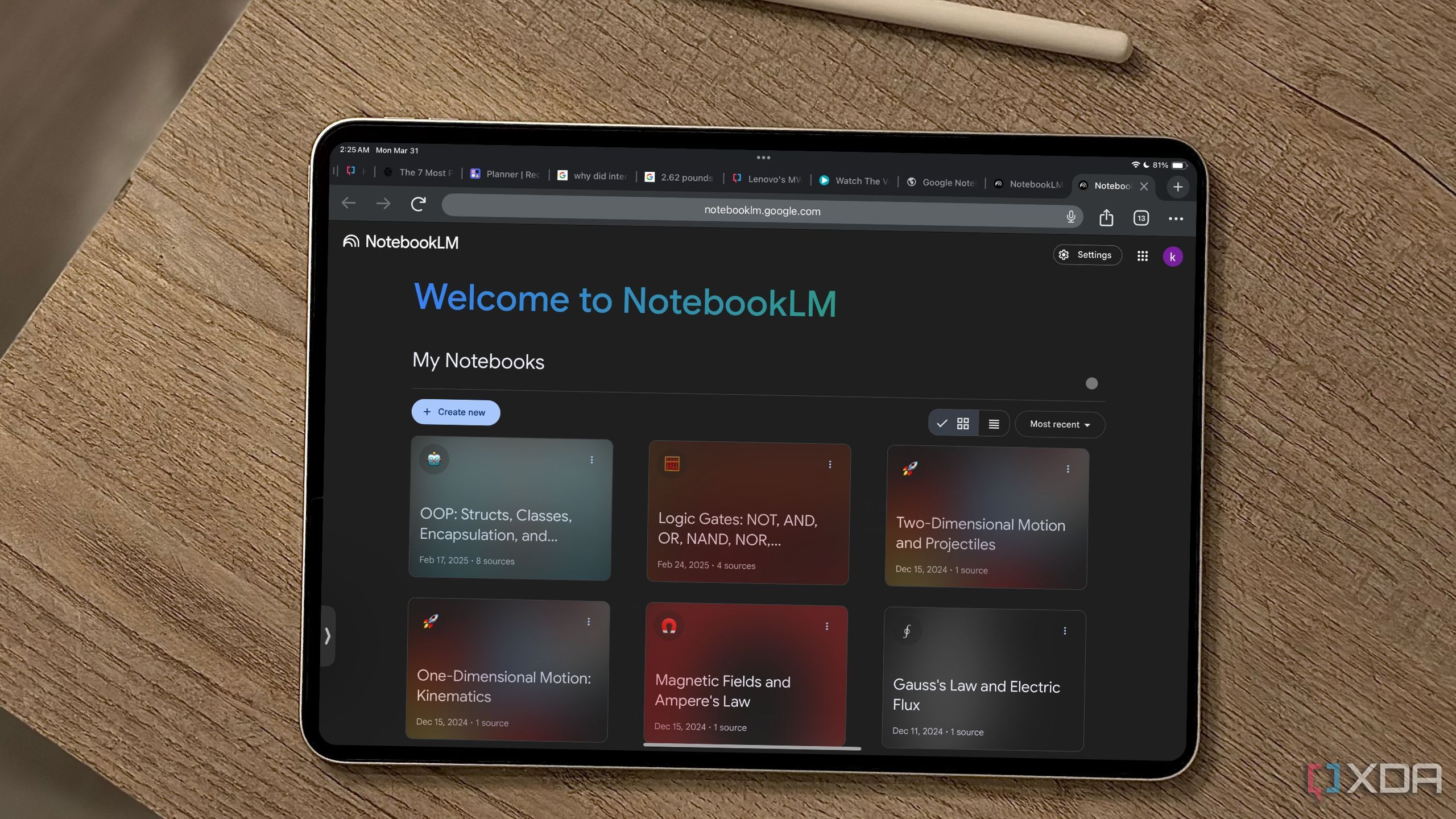
Chatllm, often shorthand for chat-based large language models, represents a revolutionary step in conversational AI, extending beyond traditional note-taking tools like NotebookLM. These models, powered by advanced NLP, enable real-time interactions that simulate human-like conversations, making them ideal for applications in customer service, education, and personal assistance. In this section, we'll dive into how chatllm enhances user engagement and productivity, drawing from its ability to process queries, generate responses, and learn from interactions. As someone who's experimented with various AI chat tools, I believe chatllm offers untapped potential for creative problem-solving and efficient information retrieval.
The Evolution and Core Mechanics of Chatllm
Chatllm has evolved from basic chatbots to sophisticated systems capable of handling complex dialogues. At its core, it uses transformer architectures to understand context and generate coherent responses, a leap from earlier rule-based systems. This evolution allows for more natural interactions, where users can ask follow-up questions without losing thread continuity. In my personal analysis, the real strength lies in its adaptability; for instance, chatllm can be fine-tuned for specific domains, like legal or medical queries, providing accurate and relevant information. Creatively, this means users can build custom assistants that not only answer questions but also offer insights based on historical data, transforming passive tools into active collaborators.
Moreover, the mechanics of chatllm involve training on vast datasets, enabling it to predict user needs and suggest proactive solutions. I've found that this predictive capability reduces cognitive load, as the AI anticipates queries before they're asked. However, it's important to consider ethical implications, such as bias in responses, which requires ongoing refinement. From a broader perspective, chatllm bridges the gap between human and machine intelligence, fostering environments where innovation thrives through seamless communication.
Applications of Chatllm in Everyday Use
In practical terms, chatllm finds applications in diverse fields, from virtual assistants like Siri to enterprise-level customer support. One key use is in education, where it can tutor students by explaining concepts in simple terms and answering questions in real-time. Drawing from my experiences, integrating chatllm into learning platforms has made complex topics more accessible, allowing for personalized pacing and deeper understanding. Creatively, this opens doors to interactive storytelling, where users co-create narratives with the AI, enhancing engagement and creativity.
Another area is business productivity, where chatllm streamlines workflows by automating routine tasks, such as scheduling or data summarization. In my analysis, this not only boosts efficiency but also allows teams to focus on high-value activities. For example, in a marketing context, chatllm can analyze customer feedback and generate actionable insights, helping businesses adapt strategies quickly. Despite these benefits, users must ensure data privacy, as conversational data can be sensitive. Overall, the versatility of chatllm makes it a powerful tool for modern challenges.
Advantages and Limitations of Chatllm Technology
The advantages of chatllm are evident in its speed and accuracy, often outperforming human responses in volume and consistency. From a creative insight, I appreciate how it democratizes access to information, enabling non-experts to engage with advanced topics. However, limitations exist, such as the potential for hallucinations— where the AI generates incorrect information. In my personal analysis, addressing this involves implementing verification layers, like cross-referencing with reliable sources.
Additionally, chatllm excels in scalability, handling multiple users simultaneously without degradation in performance. This is particularly useful in high-demand scenarios, like online forums or help desks. Yet, the technology's reliance on internet connectivity can be a drawback in offline environments. Balancing these pros and cons requires a nuanced approach, ensuring that chatllm is used as an enhancement rather than a replacement for human judgment.
Future Trends and Integration with Other Tools
Looking ahead, chatllm is poised for integration with emerging technologies, such as augmented reality, to create immersive experiences. Creatively, this could mean virtual meetings where AI assists in real-time translation and summarization. In my analysis, future developments will likely focus on ethical AI, incorporating abacus ai for decision-making transparency. As chatllm evolves, its synergy with tools like notebooklm alternatives will redefine how we manage and interact with information.
Abacus ai

Abacus ai stands out as a comprehensive platform for AI-driven decision-making, offering tools for predictive analytics and automation that complement notebooklm alternatives. This system leverages machine learning to process data and provide insights, making it valuable for businesses and individuals seeking data-informed strategies. In exploring abacus ai, we'll uncover its role in enhancing efficiency and innovation, based on my observations of its practical applications and potential drawbacks.
Overview of Abacus ai Capabilities
Abacus ai excels in automated model building, allowing users to create AI models without extensive coding knowledge. This democratizes AI development, enabling quick prototyping and testing. From a creative perspective, I've used it to forecast trends, turning raw data into visual stories that inform decisions. However, users must navigate its interface to fully harness its power.
Benefits for Data Analysis
The platform's strength in data analysis lies in its accuracy and speed. In my analysis, it outperforms traditional methods by identifying patterns that humans might miss. This leads to better outcomes in fields like finance and healthcare.
Challenges in Implementation
Implementing abacus ai can involve steep learning curves and integration issues. Creatively, overcoming these fosters growth, but requires strategic planning.
Integration with Other AI Ecosystems
Abacus ai integrates seamlessly with tools like chatllm, enhancing overall capabilities. Future trends suggest even greater connectivity, amplifying its value.
FAQs
What are the best notebooklm alternatives for beginners?
For beginners, tools like Notion or Evernote serve as excellent notebooklm alternatives, offering user-friendly interfaces and basic AI features to ease the transition from NotebookLM.
How does chatllm differ from traditional chatbots?
Chatllm differs by using advanced NLP for more context-aware conversations, unlike traditional chatbots that rely on predefined scripts.
Is abacus ai suitable for small businesses?
Yes, abacus ai is ideal for small businesses due to its scalable features and cost-effective predictive analytics tools.
Can notebooklm alternatives integrate with chatllm?
Many notebooklm alternatives can integrate with chatllm via APIs, allowing for enhanced interactive note-taking experiences.
What factors should I consider when choosing notebooklm alternatives?
When choosing notebooklm alternatives, consider factors like cost, ease of use, integration options, and specific features such as AI-driven search.
Conclusion

In summary, exploring notebooklm alternatives, chatllm, and abacus ai reveals a world of innovative AI tools that enhance productivity and decision-making. Each option brings unique strengths, from advanced note organization to conversational AI and predictive analytics, empowering users to tailor their workflows effectively. By understanding their features and potential challenges, individuals can make informed choices to boost their digital experiences.