
In the rapid whirlwind of today's digital landscape, seamless integration and automation can truly transform how businesses function. Go High Level emerges as a comprehensive sales and marketing powerhouse, equipped with an impressive suite of tools designed for companies eager to simplify their operations.

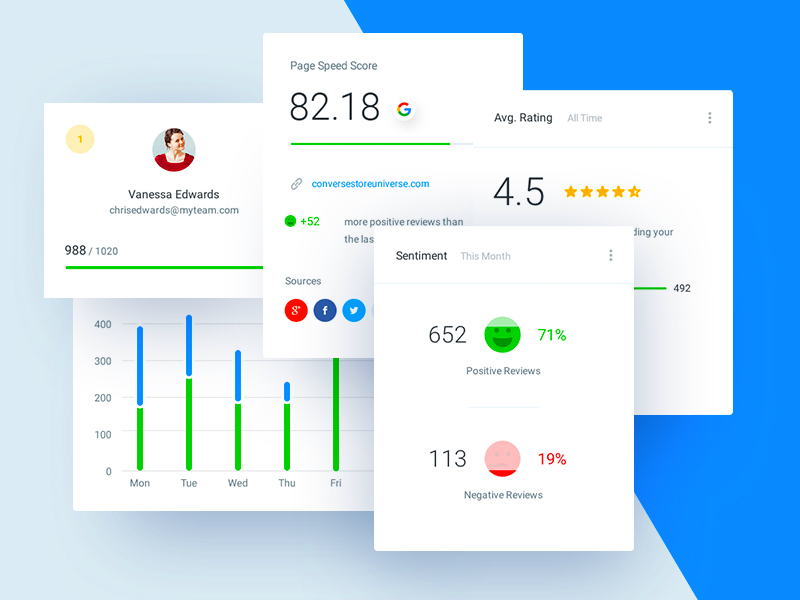
One of the standout features of Go High Level is its seamless integration with Zapier, which opens up a world of possibilities for third-party integrations and automation. This article will delve deep into how you can integrate Go High Level with Zapier, exploring various aspects such as go high level login, go high level support, and go high level api documentation, among others.
Go High Level
Go High Level is a comprehensive platform designed to help businesses manage their sales and marketing activities efficiently. From CRM to appointment scheduling, email marketing, and more, Go High Level offers a wide range of tools that can be tailored to suit various business needs.
Features of Go High Level
Go High Level comes packed with features that cater to different aspects of sales and marketing. Some of the key features include:
- CRM and Pipeline Management: Go High Level provides a robust CRM system that helps businesses track their leads and manage their sales pipeline effectively.
- Email and SMS Marketing: With built-in email and SMS marketing tools, businesses can automate their marketing campaigns and reach their audience more effectively.
- Appointment Scheduling: Go High Level offers an intuitive appointment scheduling system that can be integrated with various calendar apps, ensuring a seamless booking experience for clients.
- Reputation Management: The platform includes tools for managing online reviews and reputation, helping businesses maintain a positive online presence.
Benefits of Using Go High Level
Using Go High Level can bring numerous benefits to businesses. Here are some of the most significant advantages:
- All-in-One Solution: By offering a wide range of tools under one roof, Go High Level eliminates the need for businesses to juggle multiple software solutions.
- Customization: Go High Level allows businesses to customize the platform to suit their specific needs, ensuring that they can get the most out of the system.
- Automation: With its automation capabilities, Go High Level helps businesses save time and effort by automating repetitive tasks.
- Integration: One of the most powerful features of Go High Level is its ability to integrate with other platforms, such as Zapier, which can further enhance its functionality.
How Go High Level Stands Out
In a crowded market of sales and marketing platforms, Go High Level stands out for several reasons. First, its all-in-one approach ensures that businesses can manage all aspects of their sales and marketing activities within a single platform. Second, the platform's emphasis on automation and integration allows businesses to streamline their processes and improve efficiency. Finally, the support and resources provided by Go High Level, including detailed go high level api documentation, ensure that businesses can make the most of the platform.
Zapier
Zapier is a powerful automation tool that allows businesses to connect different apps and automate workflows. By integrating Go High Level with Zapier, businesses can expand the platform's functionality and create more efficient processes.
What is Zapier?
Zapier is an online automation tool that connects apps and automates workflows. It works by creating “Zaps,” which are automated tasks that trigger actions in one app based on events in another app. For example, a Zap could be set up to automatically add new leads from a form on a website to the Go High Level CRM.
How Zapier Works
Zapier operates on the concept of triggers and actions. A trigger is an event that starts a Zap, such as a new lead being added to a form. An action is what happens after the trigger, such as adding that lead to the Go High Level CRM. By setting up these triggers and actions, businesses can automate a wide range of tasks and streamline their processes.
Benefits of Using Zapier with Go High Level
Integrating Go High Level with Zapier can bring several benefits to businesses. Some of the most significant advantages include:
- Increased Efficiency: By automating tasks and workflows, businesses can save time and focus on more important activities.
- Expanded Functionality: Zapier allows businesses to connect Go High Level with a wide range of other apps, expanding the platform's functionality and capabilities.
- Customization: With Zapier, businesses can create custom workflows that are tailored to their specific needs, ensuring that they can get the most out of Go High Level.
Third Party Integration
Third-party integrations can greatly enhance the functionality of Go High Level, allowing businesses to connect the platform with other tools and services they use. Integrating Go High Level with third-party apps can help businesses streamline their processes and improve efficiency.
Importance of Third-Party Integrations
Third-party integrations are crucial for businesses looking to get the most out of Go High Level. By connecting the platform with other tools and services, businesses can create a more cohesive and efficient system. For example, integrating Go High Level with a payment gateway can streamline the billing process, while integrating with a calendar app can improve appointment scheduling.
How to Integrate Go High Level with Third-Party Apps
Integrating Go High Level with third-party apps is relatively straightforward. Here are the steps businesses can follow to set up integrations:
- Identify the Apps: The first step is to identify the third-party apps that need to be integrated with Go High Level. This could include tools for payment processing, calendar management, or email marketing.
- Check Compatibility: Once the apps have been identified, businesses should check whether they are compatible with Go High Level and whether there are any existing integrations available.
- Set Up the Integration: If an integration is available, businesses can follow the instructions provided by Go High Level to set it up. This typically involves connecting the third-party app to Go High Level using an API key or other authentication method.
- Test the Integration: After setting up the integration, businesses should test it to ensure that it is working correctly. This could involve sending test data or running a trial workflow.
Examples of Third-Party Integrations with Go High Level
There are many third-party apps that can be integrated with Go High Level, each offering different benefits. Some examples include:
- Payment Gateways: Integrating Go High Level with a payment gateway like Stripe or PayPal can streamline the billing process and make it easier for businesses to collect payments.
- Calendar Apps: Integrating Go High Level with a calendar app like Google Calendar or Calendly can improve appointment scheduling and help businesses manage their time more effectively.
- Email Marketing Tools: Integrating Go High Level with an email marketing tool like Mailchimp or SendGrid can enhance the platform's email marketing capabilities and help businesses reach their audience more effectively.
Go High Level Login
Logging into Go High Level is the first step to accessing the platform's powerful features and tools. The login process is straightforward, but there are some tips and best practices that businesses can follow to ensure a smooth experience.
How to Log into Go High Level
Logging into Go High Level is simple and can be done in just a few steps. Here's how to do it:
- Visit the Go High Level Website: The first step is to visit the Go High Level website and click on the login button.
- Enter Your Credentials: On the login page, enter your email address and password. If you have forgotten your password, you can click on the “Forgot Password” link to reset it.
- Access the Platform: Once you have entered your credentials, click on the login button to access the Go High Level platform.
Tips for a Smooth Login Experience
To ensure a smooth login experience, businesses can follow these tips:
- Use a Strong Password: Using a strong, unique password can help protect your Go High Level account from unauthorized access.
- Enable Two-Factor Authentication: Enabling two-factor authentication adds an extra layer of security to your account, making it more difficult for hackers to gain access.
- Keep Your Credentials Secure: Always keep your login credentials secure and avoid sharing them with anyone else.
Troubleshooting Common Login Issues
If you encounter any issues while logging into Go High Level, there are a few troubleshooting steps you can try:
- Check Your Internet Connection: Make sure your internet connection is stable and working properly.
- Clear Your Browser Cache: Clearing your browser cache can help resolve any issues related to outdated or corrupted data.
- Contact Go High Level Support: If you are still unable to log in, you can contact Go High Level support for assistance.
Go High Level Support
Go High Level offers a range of support options to help businesses make the most of the platform. From detailed documentation to live chat and email support, there are many resources available to help users navigate the platform and resolve any issues they may encounter.
Types of Support Offered by Go High Level
Go High Level offers several types of support to its users. Some of the most common support options include:
- Documentation: Go High Level provides detailed documentation that covers everything from getting started with the platform to advanced features and integrations.
- Live Chat: Users can access live chat support directly from the Go High Level platform, allowing them to get help in real-time.
- Email Support: For more complex issues, users can contact Go High Level support via email and receive a detailed response from the support team.
- Community Forums: Go High Level also has a community forum where users can ask questions, share tips, and connect with other users.
How to Access Go High Level Support
Accessing Go High Level support is easy and can be done in several ways. Here's how to get help:
- Documentation: To access the documentation, simply visit the Go High Level website and navigate to the support section. From there, you can browse through the various articles and guides.
- Live Chat: To access live chat support, log into the Go High Level platform and click on the live chat button. A support agent will be available to help you in real-time.
- Email Support: To contact Go High Level support via email, simply send an email to the support team with your question or issue. You can expect a response within a few hours.
- Community Forums: To access the community forums, visit the Go High Level website and navigate to the community section. From there, you can browse through existing threads or start a new one.
Tips for Getting the Most Out of Go High Level Support
To get the most out of Go High Level support, businesses can follow these tips:
- Use the Documentation: The documentation provided by Go High Level is comprehensive and covers a wide range of topics. Before contacting support, it's a good idea to check the documentation to see if your question or issue is already addressed.
- Be Clear and Concise: When contacting support, be sure to clearly explain your question or issue and provide any relevant details. This will help the support team respond more effectively.
- Use the Community Forums: The community forums can be a valuable resource for getting help and connecting with other users. Don't hesitate to ask questions or share your own experiences.
Go High Level API Documentation
The Go High Level API documentation is a crucial resource for businesses looking to integrate the platform with other tools and services. The documentation provides detailed information on how to use the API, including examples, code snippets, and best practices.
What is the Go High Level API?
The Go High Level API is a set of tools and protocols that allow businesses to interact with the platform programmatically. By using the API, businesses can automate tasks, integrate with other apps, and customize the platform to suit their specific needs.
How to Use the Go High Level API Documentation
Using the Go High Level API documentation is straightforward and can help businesses get the most out of the platform. Here's how to use the documentation:
- Browse the Documentation: The first step is to browse through the documentation and familiarize yourself with the various sections and topics. The documentation is organized into different categories, making it easy to find what you're looking for.
- Read the Examples: The documentation includes many examples and code snippets that illustrate how to use the API. Reading through these examples can help you understand how to implement the API in your own projects.
- Follow Best Practices: The documentation also includes best practices and tips for using the API effectively. Following these best practices can help you avoid common pitfalls and ensure that your integrations work smoothly.
Benefits of Using the Go High Level API
Using the Go High Level API can bring several benefits to businesses. Some of the most significant advantages include:
- Automation: By using the API, businesses can automate tasks and workflows, saving time and improving efficiency.
- Integration: The API allows businesses to integrate Go High Level with other tools and services, expanding the platform's functionality and capabilities.
- Customization: With the API, businesses can customize the platform to suit their specific needs, ensuring that they can get the most out of Go High Level.
Go High Level App
The Go High Level app is a mobile application that allows businesses to access the platform's features and tools on the go. The app is available for both iOS and Android devices and offers a range of functionality, including CRM, appointment scheduling, and email marketing.
Features of the Go High Level App
The Go High Level app comes packed with features that make it easy for businesses to manage their sales and marketing activities on the go. Some of the key features include:
- CRM and Pipeline Management: The app allows businesses to access their CRM and manage their sales pipeline from anywhere.
- Appointment Scheduling: With the app, businesses can schedule and manage appointments on the go, ensuring that they never miss an important meeting.
- Email and SMS Marketing: The app includes tools for sending and managing email and SMS marketing campaigns, helping businesses reach their audience more effectively.
- Reputation Management: The app also includes tools for managing online reviews and reputation, helping businesses maintain a positive online presence.
Benefits of Using the Go High Level App
Using the Go High Level app can bring several benefits to businesses. Some of the most significant advantages include:
- Convenience: The app allows businesses to access the platform's features and tools from anywhere, making it easy to stay on top of their sales and marketing activities.
- Mobility: With the app, businesses can manage their sales and marketing activities on the go, ensuring that they never miss an important opportunity.
- Efficiency: The app's intuitive interface and powerful features make it easy for businesses to streamline their processes and improve efficiency.
How to Get the Most Out of the Go High Level App
To get the most out of the Go High Level app, businesses can follow these tips:
- Stay Organized: Use the app's CRM and pipeline management features to stay organized and keep track of your leads and sales activities.
- Stay Connected: Use the app's email and SMS marketing features to stay connected with your audience and reach them more effectively.
- Stay on Top of Your Schedule: Use the app's appointment scheduling features to stay on top of your schedule and never miss an important meeting.
Go High Level Alternative
While Go High Level is a powerful platform, there are several alternatives that businesses can consider. These alternatives offer similar features and functionality, and may be a better fit for some businesses depending on their specific needs and requirements.
Popular Alternatives to Go High Level
There are several popular alternatives to Go High Level that businesses can consider. Some of the most common alternatives include:
- HubSpot: HubSpot is a comprehensive sales and marketing platform that offers a wide range of tools, including CRM, email marketing, and social media management.
- Salesforce: Salesforce is a leading CRM platform that is widely used by businesses of all sizes. It offers a range of features, including sales automation, customer service, and analytics.
- Keap: Keap is a sales and marketing platform that is designed for small businesses. It offers a range of tools, including CRM, email marketing, and appointment scheduling.
How to Choose the Right Alternative
Choosing the right alternative to Go High Level can be a challenging task. Here are some factors to consider when making your decision:
- Features and Functionality: Consider the features and functionality offered by the alternative platform. Make sure it offers the tools you need to manage your sales and marketing activities effectively.
- Pricing: Consider the pricing of the alternative platform. Make sure it fits within your budget and offers good value for money.
- Ease of Use: Consider the ease of use of the alternative platform. Make sure it is intuitive and easy to navigate, especially if you are not tech-savvy.
- Support and Resources: Consider the support and resources offered by the alternative platform. Make sure it offers good customer support and comprehensive documentation to help you get the most out of the platform.
Benefits of Exploring Alternatives
Exploring alternatives to Go High Level can bring several benefits to businesses. Some of the most significant advantages include:
- Finding the Best Fit: By exploring alternatives, businesses can find the platform that best fits their specific needs and requirements.
- Expanding Options: Exploring alternatives can help businesses expand their options and find new tools and features that they may not have considered before.
- Improving Efficiency: By finding the right platform, businesses can improve their efficiency and streamline their processes more effectively.
Zapier
Zapier is a powerful automation tool that allows businesses to connect different apps and automate workflows. By integrating Go High Level with Zapier, businesses can expand the platform's functionality and create more efficient processes.
What is Zapier?
Zapier is an online automation tool that connects apps and automates workflows. It works by creating “Zaps,” which are automated tasks that trigger actions in one app based on events in another app. For example, a Zap could be set up to automatically add new leads from a form on a website to the Go High Level CRM.
How Zapier Works
Zapier operates on the concept of triggers and actions. A trigger is an event that starts a Zap, such as a new lead being added to a form. An action is what happens after the trigger, such as adding that lead to the Go High Level CRM. By setting up these triggers and actions, businesses can automate a wide range of tasks and streamline their processes.
Benefits of Using Zapier with Go High Level
Integrating Go High Level with Zapier can bring several benefits to businesses. Some of the most significant advantages include:
- Increased Efficiency: By automating tasks and workflows, businesses can save time and focus on more important activities.
- Expanded Functionality: Zapier allows businesses to connect Go High Level with a wide range of other apps, expanding the platform's functionality and capabilities.
- Customization: With Zapier, businesses can create custom workflows that are tailored to their specific needs, ensuring that they can get the most out of Go High Level.
Zapier AI
Zapier AI is a set of AI-powered features that enhance the platform's automation capabilities. By using Zapier AI, businesses can automate more complex tasks and create more sophisticated workflows.
What is Zapier AI?
Zapier AI is a set of AI-powered features that are integrated into the Zapier platform. These features use machine learning and natural language processing to help businesses automate more complex tasks and create more sophisticated workflows. For example, Zapier AI can be used to automatically categorize emails, extract data from documents, and generate reports.
How Zapier AI Works
Zapier AI works by analyzing data and using machine learning algorithms to automate tasks. For example, if a business wants to automate the process of categorizing emails, Zapier AI can be used to analyze the content of the emails and automatically assign them to the appropriate category. Similarly, if a business wants to extract data from a document, Zapier AI can be used to analyze the document and extract the relevant information.
Benefits of Using Zapier AI with Go High Level
Using Zapier AI with Go High Level can bring several benefits to businesses. Some of the most significant advantages include:
- Increased Automation: By using Zapier AI, businesses can automate more complex tasks and create more sophisticated workflows, saving time and improving efficiency.
- Improved Data Analysis: Zapier AI can help businesses analyze data more effectively, allowing them to gain valuable insights and make more informed decisions.
- Enhanced Customization: With Zapier AI, businesses can create custom workflows that are tailored to their specific needs, ensuring that they can get the most out of Go High Level.
Zapier Adalah
Zapier adalah suatu alat otomatisasi online yang memungkinkan bisnis untuk menghubungkan berbagai aplikasi dan mengotomatisasi alur kerja. Dengan mengintegrasikan Go High Level dengan Zapier, bisnis dapat memperluas fungsionalitas platform dan menciptakan proses yang lebih efisien.
Apa itu Zapier?
Zapier adalah alat otomatisasi online yang bekerja dengan membuat “Zap,” yang merupakan tugas otomatis yang memicu tindakan di satu aplikasi berdasarkan peristiwa di aplikasi lain. Misalnya, Zap dapat diatur untuk secara otomatis menambahkan lead baru dari formulir di situs web ke CRM Go High Level.
Bagaimana Cara Kerja Zapier?
Zapier bekerja dengan konsep trigger dan action. Trigger adalah peristiwa yang memulai Zap, seperti lead baru yang ditambahkan ke formulir. Action adalah apa yang terjadi setelah trigger, seperti menambahkan lead tersebut ke CRM Go High Level. Dengan menyiapkan trigger dan action ini, bisnis dapat mengotomatisasi berbagai tugas dan menyederhanakan proses mereka.
Manfaat Menggunakan Zapier dengan Go High Level
Mengintegrasikan Go High Level dengan Zapier dapat memberikan beberapa manfaat bagi bisnis. Beberapa keuntungan terpenting termasuk:
- Efisiensi yang Ditingkatkan: Dengan mengotomatisasi tugas dan alur kerja, bisnis dapat menghemat waktu dan fokus pada aktivitas yang lebih penting.
- Fungsionalitas yang Diperluas: Zapier memungkinkan bisnis untuk menghubungkan Go High Level dengan berbagai aplikasi lain, memperluas fungsionalitas dan kemampuan platform.
- Kustomisasi: Dengan Zapier, bisnis dapat membuat alur kerja yang disesuaikan dengan kebutuhan spesifik mereka, memastikan mereka dapat memanfaatkan Go High Level sebaik mungkin.
Zapier Pricing
Zapier offers a range of pricing plans to suit different business needs and budgets. Understanding the pricing structure can help businesses choose the right plan and get the most out of the platform.
Zapier Pricing Plans
Zapier offers several pricing plans, each with different features and capabilities. The main pricing plans include:
- Free Plan: The free plan allows businesses to create up to 5 Zaps and run up to 100 tasks per month. It is suitable for small businesses or individuals who want to try out Zapier.
- Starter Plan: The starter plan costs $19.99 per month and allows businesses to create up to 20 Zaps and run up to 750 tasks per month. It is suitable for small businesses that need more automation capabilities.
- Professional Plan: The professional plan costs $49 per month and allows businesses to create up to 50 Zaps and run up to 2,000 tasks per month. It is suitable for growing businesses that need more advanced automation features.
- Team Plan: The team plan costs $299 per month and allows businesses to create up to 100 Zaps and run up to 50,000 tasks per month. It is suitable for larger businesses that need more advanced automation and collaboration features.
How to Choose the Right Zapier Pricing Plan
Choosing the right Zapier pricing plan can be a challenging task. Here are some factors to consider when making your decision:
- Number of Zaps and Tasks: Consider the number of Zaps and tasks you need to run each month. Make sure the plan you choose offers enough capacity to meet your needs.
- Features and Functionality: Consider the features and functionality offered by the different plans. Make sure the plan you choose offers the tools you need to automate your workflows effectively.
- Budget: Consider your budget and choose a plan that fits within it. Zapier offers a range of pricing plans to suit different budgets, so you should be able to find a plan that works for you.
Benefits of Choosing the Right Zapier Pricing Plan
Choosing the right Zapier pricing plan can bring several benefits to businesses. Some of the most significant advantages include:
- Cost-Effectiveness: By choosing the right plan, businesses can ensure that they are getting the most value for their money.
- Scalability: By choosing a plan that can scale with their needs, businesses can ensure that they can continue to use Zapier as they grow.
- Efficiency: By choosing a plan that offers the right features and functionality, businesses can streamline their processes and improve efficiency.
Zapier Automation
Zapier automation is a powerful tool that allows businesses to automate their workflows and save time. By using Zapier automation, businesses can connect different apps and automate tasks, making their processes more efficient.
What is Zapier Automation?
Zapier automation is the process of using Zapier to automate tasks and workflows. By creating Zaps, businesses can connect different apps and automate actions based on triggers. For example, a business could set up a Zap to automatically add new leads from a form on their website to their CRM, or to send a follow-up email to a customer after they make a purchase.
How to Set Up Zapier Automation
Setting up Zapier automation is relatively straightforward and can be done in a few simple steps. Here's how to do it:
- Choose the Trigger App: The first step is to choose the trigger app, which is the app that will start the automation. This could be a form on your website, an email marketing tool, or any other app that you use.
- Choose the Trigger Event: Once you have chosen the trigger app, you need to choose the trigger event, which is the specific event that will start the automation. This could be a new lead being added to a form, a new email being received, or any other event.
- Choose the Action App: The next step is to choose the action app, which is the app that will perform the action after the trigger event. This could be your CRM, your email marketing tool, or any other app that you use.
- Choose the Action Event: Once you have chosen the action app, you need to choose the action event, which is the specific action that will be performed after the trigger event. This could be adding a new lead to your CRM, sending an email, or any other action.
- Set Up the Zap: Once you have chosen the trigger app, trigger event, action app, and action event, you can set up the Zap and start automating your workflows.
Benefits of Using Zapier Automation with Go High Level
Using Zapier automation with Go High Level can bring several benefits to businesses. Some of the most significant advantages include:
- Increased Efficiency: By automating tasks and workflows, businesses can save time and focus on more important activities.
- Improved Accuracy: By automating tasks, businesses can reduce the risk of human error and ensure that their processes are more accurate.
- Enhanced Customization: With Zapier automation, businesses can create custom workflows that are tailored to their specific needs, ensuring that they can get the most out of Go High Level.
Zapier vs N8n
Zapier and n8n are two popular automation tools that businesses can use to streamline their processes. While both tools offer similar functionality, there are some key differences between them that businesses should consider when choosing the right tool for their needs.
What is N8n?
N8n is an open-source workflow automation tool that allows businesses to connect different apps and automate tasks. Like Zapier, n8n works by creating workflows that are triggered by specific events and perform specific actions. However, n8n is different from Zapier in that it is open-source, meaning that businesses can customize and extend the platform to suit their specific needs.
Key Differences Between Zapier and N8n
There are several key differences between Zapier and n8n that businesses should consider when choosing the right tool for their needs. Some of the most significant differences include:
- Pricing: Zapier offers a range of pricing plans, including a free plan, while n8n is open-source and free to use. However, businesses may need to pay for hosting and support if they choose to use n8n.
- Customization: N8n is more customizable than Zapier, as it is open-source and allows businesses to extend the platform to suit their specific needs. Zapier, on the other hand, is more user-friendly and offers a range of pre-built integrations and workflows.
- Ease of Use: Zapier is generally easier to use than n8n, as it offers a more intuitive interface and a range of pre-built integrations and workflows. N8n, on the other hand, requires more technical knowledge and may be more challenging for non-technical users.
Which Tool is Right for Your Business?
Choosing the right tool for your business depends on your specific needs and requirements. If you need a user-friendly tool with a range of pre-built integrations and workflows, Zapier may be the right choice for you. On the other hand, if you need a more customizable tool that can be extended to suit your specific needs, n8n may be the better option.
Benefits of Choosing the Right Tool
Choosing the right tool can bring several benefits to businesses. Some of the most significant advantages include:
- Increased Efficiency: By choosing the right tool, businesses can streamline their processes and improve efficiency.
- Improved Customization: By choosing a tool that can be customized to suit their specific needs, businesses can ensure that they can get the most out of the platform.
- Cost-Effectiveness: By choosing the right tool, businesses can ensure that they are getting the most value for their money.
Zapier Agents
Zapier agents are a set of features that allow businesses to automate more complex tasks and workflows. By using Zapier agents, businesses can create custom workflows that are tailored to their specific needs, ensuring that they can get the most out of the platform.
What are Zapier Agents?
Zapier agents are a set of features that are integrated into the Zapier platform. These features allow businesses to automate more complex tasks and workflows, such as extracting data from documents, categorizing emails, and generating reports. Zapier agents use machine learning and natural language processing to analyze data and automate tasks, making them a powerful tool for businesses looking to streamline their processes.
How to Use Zapier Agents
Using Zapier agents is relatively straightforward and can be done in a few simple steps. Here's how to do it:
- Choose the Agent: The first step is to choose the agent that you want to use. Zapier offers a range of agents, each with different capabilities and functionality.
- Set Up the Agent: Once you have chosen the agent, you need to set it up and configure it to suit your specific needs. This may involve providing the agent with data to analyze, setting up rules and conditions, or specifying the actions that the agent should perform.
- Test the Agent: After setting up the agent, you should test it to ensure that it is working correctly. This could involve running a test workflow or checking the output of the agent to ensure that it is accurate.
- Deploy the Agent: Once you have tested the agent and are satisfied with its performance, you can deploy it and start using it to automate your workflows.
Benefits of Using Zapier Agents with Go High Level
Using Zapier agents with Go High Level can bring several benefits to businesses. Some of the most significant advantages include:
- Increased Automation: By using Zapier agents, businesses can automate more complex tasks and workflows, saving time and improving efficiency.
- Improved Data Analysis: Zapier agents can help businesses analyze data more effectively, allowing them to gain valuable insights and make more informed decisions.
- Enhanced Customization: With Zapier agents, businesses can create custom workflows that are tailored to their specific needs, ensuring that they can get the most out of Go High Level.
Zapier vs Make
Zapier and Make are two popular automation tools that businesses can use to streamline their processes. While both tools offer similar functionality, there are some key differences between them that businesses should consider when choosing the right tool for their needs.
What is Make?
Make is a visual automation tool that allows businesses to connect different apps and automate tasks. Like Zapier, Make works by creating workflows that are triggered by specific events and perform specific actions. However, Make is different from Zapier in that it offers a more visual interface and a range of pre-built templates and modules.
Key Differences Between Zapier and Make
There are several key differences between Zapier and Make that businesses should consider when choosing the right tool for their needs. Some of the most significant differences include:
- Interface: Make offers a more visual interface than Zapier, making it easier for non-technical users to create and manage workflows. Zapier, on the other hand, offers a more traditional interface that may be more familiar to technical users.
- Templates and Modules: Make offers a range of pre-built templates and modules that can be used to create workflows quickly and easily. Zapier, on the other hand, offers a range of pre-built integrations and workflows, but may require more customization.
- Pricing: Make offers a range of pricing plans, including a free plan, while Zapier also offers a range of pricing plans, including a free plan. However, the pricing structures of the two tools may differ, so businesses should carefully consider their needs and budget when choosing the right tool.
Which Tool is Right for Your Business?
Choosing the right tool for your business depends on your specific needs and requirements. If you need a visual tool with a range of pre-built templates and modules, Make may be the right choice for you. On the other hand, if you need a more traditional tool with a range of pre-built integrations and workflows, Zapier may be the better option.
Benefits of Choosing the Right Tool
Choosing the right tool can bring several benefits to businesses. Some of the most significant advantages include:
- Increased Efficiency: By choosing the right tool, businesses can streamline their processes and improve efficiency.
- Improved Customization: By choosing a tool that can be customized to suit their specific needs, businesses can ensure that they can get the most out of the platform.
- Cost-Effectiveness: By choosing the right tool, businesses can ensure that they are getting the most value for their money.
Zapier Workflow
A Zapier workflow is a series of steps that are triggered by specific events and perform specific actions. By creating workflows, businesses can automate their processes and save time, making their operations more efficient.
What is a Zapier Workflow?
A Zapier workflow is a series of steps that are created using the Zapier platform. Each workflow consists of a trigger, which is an event that starts the workflow, and one or more actions, which are the tasks that are performed after the trigger. For example, a workflow could be set up to automatically add new leads from a form on a website to a CRM, or to send a follow-up email to a customer after they make a purchase.
How to Create a Zapier Workflow
Creating a Zapier workflow is relatively straightforward and can be done in a few simple steps. Here's how to do it:
- Choose the Trigger App: The first step is to choose the trigger app, which is the app that will start the workflow. This could be a form on your website, an email marketing tool, or any other app that you use.
- Choose the Trigger Event: Once you have chosen the trigger app, you need to choose the trigger event, which is the specific event that will start the workflow. This could be a new lead being added to a form, a new email being received, or any other event.
- Choose the Action App: The next step is to choose the action app, which is the app that will perform the action after the trigger event. This could be your CRM, your email marketing tool, or any other app that you use.
- Choose the Action Event: Once you have chosen the action app, you need to choose the action event, which is the specific action that will be performed after the trigger event. This could be adding a new lead to your CRM, sending an email, or any other action.
- Set Up the Workflow: Once you have chosen the trigger app, trigger event, action app, and action event, you can set up the workflow and start automating your processes.
Benefits of Using Zapier Workflows with Go High Level
Using Zapier workflows with Go High Level can bring several benefits to businesses. Some of the most significant advantages include:
- Increased Efficiency: By automating tasks and workflows, businesses can save time and focus on more important activities.
- Improved Accuracy: By automating tasks, businesses can reduce the risk of human error and ensure that their processes are more accurate.
- Enhanced Customization: With Zapier workflows, businesses can create custom workflows that are tailored to their specific needs, ensuring that they can get the most out of Go High Level.
Third Party Integration
Third-party integrations can greatly enhance the functionality of Go High Level, allowing businesses to connect the platform with other tools and services they use. Integrating Go High Level with third-party apps can help businesses streamline their processes and improve efficiency.
Importance of Third-Party Integrations
Third-party integrations are crucial for businesses looking to get the most out of Go High Level. By connecting the platform with other tools and services, businesses can create a more cohesive and efficient system. For example, integrating Go High Level with a payment gateway can streamline the billing process, while integrating with a calendar app can improve appointment scheduling.
How to Integrate Go HighLevel with Third-Party Apps
Integrating Go High Level with third-party apps is a straightforward process that can be accomplished through various methods depending on the app in question. Here’s a comprehensive look at how businesses can achieve this integration:
Using Zapier for Integration
Zapier is a powerful tool that can connect Go High Level with a vast array of other applications, enabling seamless workflows and data transfers. To integrate using Zapier, follow these steps:
- Select the Trigger App: Start by choosing Go High Level as the trigger app within Zapier. This means that an event in Go High Level will initiate the workflow.
- Choose the Trigger Event: Select the specific event in Go High Level that will trigger the integration. This could be a new contact being added, a new deal created, or any other relevant event.
- Select the Action App: Choose the third-party app that you want to integrate with Go High Level. This could be a CRM, an email marketing tool, or any other service you use.
- Choose the Action Event: Define what action should be taken in the third-party app once the trigger event occurs. For instance, if a new contact is added to Go High Level, you might want to add that contact to your CRM or send them a welcome email through your email marketing tool.
- Configure the Zap: Set up the details of how the data should be transferred between Go High Level and the third-party app. This might involve mapping fields from Go High Level to the corresponding fields in the other app.
- Test and Activate the Zap: Before activating, run a test to ensure the integration works as expected. Once confirmed, activate the Zap to start the integration.
Using Go High Level API for Direct Integration
For businesses needing more control or custom integrations, using the Go High Level API is a viable option. This method requires some technical expertise but offers greater flexibility:
- Access API Documentation: Start by reviewing the Go High Level API documentation to understand the available endpoints and how to interact with them.
- Develop the Integration: Write code to connect to the Go High Level API and send or retrieve data as needed. This might involve creating a script that pulls data from Go High Level into another system or vice versa.
- Test the Integration: Thoroughly test the integration to ensure it works correctly and handles errors gracefully.
- Deploy and Monitor: Once the integration is working, deploy it into your production environment and monitor its performance to ensure ongoing reliability.
Using Pre-Built Integrations
Go High Level often offers pre-built integrations with popular tools, which can simplify the process significantly:
- Explore Available Integrations: Check the Go High Level marketplace or settings for any pre-built integrations with the tools you use.
- Set Up the Integration: Follow the instructions provided with the pre-built integration to connect your Go High Level account with the third-party tool. This often involves just a few clicks and entering your credentials for the third-party app.
- Configure and Test: After setting up, configure any settings specific to your needs and test the integration to ensure it functions as expected.
Benefits of Third-Party Integrations with Go High Level
Integrating Go High Level with third-party apps offers numerous benefits that can significantly enhance business operations:
- Streamlined Workflows: By automating data transfers and actions between Go High Level and other tools, businesses can streamline their workflows, reducing manual work and the potential for human error.
- Enhanced Data Management: Integrations allow for better data management, ensuring that information is synchronized across all platforms, providing a unified view of customer interactions and business metrics.
- Increased Productivity: With automated processes in place, teams can focus on more strategic tasks, boosting overall productivity and allowing for better customer service and business growth.
Challenges and Considerations
While third-party integrations bring many advantages, there are also challenges and considerations to keep in mind:
- Complexity: Depending on the method of integration, setting up can be complex and might require technical knowledge or assistance.
- Cost: Some integrations, particularly those involving Zapier or custom API development, may incur additional costs.
- Maintenance: Once set up, integrations need to be monitored and maintained to ensure they continue to function correctly as both Go High Level and third-party apps evolve.
Zapier Login
Logging into Zapier is the first step to harnessing its powerful automation capabilities. Whether you're looking to automate tasks with Go High Level or any other app, understanding how to access Zapier efficiently is crucial.
How to Log into Zapier
Logging into Zapier is a straightforward process that can be accomplished in a few simple steps:
- Visit the Zapier Website: Navigate to the Zapier homepage and click on the “Log In” button located at the top right corner of the page.
- Enter Your Credentials: Enter your email address and password associated with your Zapier account. If you've forgotten your password, you can use the “Forgot Password” link to reset it.
- Two-Factor Authentication: If you have two-factor authentication enabled, enter the code sent to your mobile device or generated by your authentication app.
- Access Your Dashboard: Once logged in, you'll be directed to your Zapier dashboard, where you can start setting up new integrations or manage existing ones.
Managing Multiple Accounts
For users who need to manage multiple Zapier accounts, there are a few strategies to keep in mind:
- Use Different Browsers: One simple method is to use different browsers for different accounts. This can help keep your sessions separate and reduce the risk of accidentally mixing up your work.
- Browser Profiles: Another option is to use browser profiles, which allow you to have multiple, isolated browsing sessions within the same browser.
- Third-Party Tools: There are also third-party tools and extensions available that can help manage multiple accounts more efficiently.
Security Considerations
When logging into Zapier, it's important to keep security in mind:
- Strong Passwords: Always use strong, unique passwords for your Zapier account and enable two-factor authentication to add an extra layer of security.
- Regular Updates: Ensure that your browser and any devices you use to access Zapier are up to date with the latest security patches.
- Monitor Account Activity: Regularly review your account activity for any suspicious behavior and report any issues to Zapier support immediately.
Third-Party Integration API
The use of **third-party integration API**s can significantly enhance the capabilities of Go High Level, allowing for deeper and more customized connections between different business tools. Understanding how to leverage these APIs can unlock new levels of efficiency and automation.
Understanding Third-Party Integration APIs
Third-party integration APIs are the backbone of modern software ecosystems, enabling different platforms to communicate and share data seamlessly. For businesses using Go High Level, these APIs can be used to:
- Automate Data Sync: Automatically sync data between Go High Level and other tools, ensuring that all systems have the most up-to-date information.
- Trigger Actions: Set up triggers in Go High Level that initiate actions in other systems, such as sending emails or updating CRM records.
- Customize Workflows: Create custom workflows that meet the specific needs of your business, using the APIs to tailor integrations exactly as needed.
How to Use Third-Party Integration APIs with Go High Level
To use third-party integration APIs with Go High Level, follow these steps:
- Identify the API: Determine which third-party API you want to integrate with Go High Level. This could be an API from a CRM, an email marketing platform, or any other tool you use.
- Review Documentation: Carefully review the API documentation to understand the available endpoints, authentication methods, and data formats.
- Develop the Integration: Write code or use an integration tool like Zapier to connect Go High Level with the third-party API. This might involve sending requests to the API to retrieve or send data as needed.
- Test and Deploy: Thoroughly test the integration to ensure it works correctly and then deploy it into your production environment.
Benefits of Using Third-Party Integration APIs
The use of third-party integration APIs with Go High Level can bring several significant benefits:
- Enhanced Customization: By using APIs, businesses can create custom integrations that are tailored to their specific needs, allowing for more precise automation and data management.
- Improved Efficiency: Automating data transfers and actions between systems can save time and reduce manual work, leading to improved operational efficiency.
- Scalability: APIs allow businesses to scale their integrations as they grow, adding new tools and connections as needed without major overhauls.
Challenges and Best Practices
While using third-party integration APIs can be highly beneficial, there are also challenges to consider:
- Technical Complexity: Integrating APIs often requires technical expertise, and businesses may need to invest in development resources or training.
- API Changes: APIs can change over time, and businesses need to be prepared to update their integrations to maintain compatibility.
- Security: Handling data between systems via APIs requires careful attention to security to protect sensitive information.
To overcome these challenges, follow these best practices:
- Stay Updated: Regularly review API documentation and stay informed about any changes or updates that might affect your integrations.
- Use Secure Practices: Implement secure authentication methods and encrypt data transfers to protect against breaches.
- Document and Test: Thoroughly document your integrations and test them regularly to ensure ongoing reliability and functionality.
Conclusion
In conclusion, integrating Go High Level with other tools through Zapier, third-party integrations, and APIs can significantly enhance business operations by improving efficiency, customization, and scalability. Whether you're logging into Zapier to set up new workflows or delving into third-party integration APIs for custom solutions, the key is to understand the tools at your disposal and use them strategically to meet your business needs. By doing so, you can unlock the full potential of your software ecosystem and drive your business forward.