
The advent of gemini 2 flash marks a significant leap in artificial intelligence, blending cutting-edge speed with enhanced capabilities that redefine how we interact with technology. This innovative model, developed by Google, promises faster processing and more efficient handling of complex tasks, making it a game-changer for developers and users alike. As AI continues to evolve, gemini 2 flash stands out for its ability to deliver real-time responses while maintaining high accuracy, potentially transforming industries from healthcare to creative arts. This article delves into its core features, alongside explorations of related technologies like chatllm and abacus ai, offering insights into their interconnected roles in the AI ecosystem.
Gemini 2 flash

Gemini 2 flash represents a pivotal advancement in AI, offering unprecedented speed and efficiency that could reshape everyday applications. This iteration builds on its predecessors by optimizing for quicker inference times, making it ideal for scenarios requiring rapid decision-making, such as autonomous vehicles or real-time language translation. In this section, we'll explore how this technology not only enhances performance but also addresses ethical considerations, providing a balanced view of its potential and pitfalls.
Evolution and Core Features of Gemini 2 Flash

Gemini 2 flash has evolved from earlier models, incorporating advanced neural architecture that prioritizes flash-like speed without sacrificing depth. This model uses a hybrid approach, combining transformer-based learning with optimized hardware acceleration, allowing it to process data at lightning speeds. One creative insight is how this could democratize AI access; for instance, in remote areas with limited bandwidth, gemini 2 flash might enable seamless voice-to-text services on low-end devices, fostering digital inclusion.
In my personal analysis, the real strength lies in its adaptability. Unlike rigid AI systems, gemini 2 flash can fine-tune itself in real-time based on user feedback, which I see as a step towards more intuitive human-AI collaboration. This isn't just about faster computations; it's about creating AI that feels responsive and anticipatory. For example, in educational tools, it could provide instant, personalized tutoring, adapting to a student's learning pace and style, thereby enhancing engagement and retention.
Moreover, the energy efficiency of gemini 2 flash is noteworthy. Traditional AI models often consume excessive power, but this version optimizes for lower energy use, which could reduce the carbon footprint of AI operations. From an environmental perspective, this is a forward-thinking move, as I believe AI developers must prioritize sustainability. Imagine deploying gemini 2 flash in smart cities for traffic management; it could analyze data from thousands of sensors in real-time, reducing congestion and emissions, all while operating on renewable energy sources.
Applications in Real-World Scenarios

The versatility of gemini 2 flash extends to various industries, where its rapid processing capabilities can drive innovation. In healthcare, for instance, it could analyze medical imaging in seconds, aiding in early disease detection and potentially saving lives. A personal insight here is that this speed doesn't come at the expense of accuracy; through rigorous testing, Google has ensured that gemini 2 flash maintains high precision, which is crucial in high-stakes environments.
Beyond healthcare, consider creative fields like content creation. As someone who's analyzed AI trends, I find that gemini 2 flash could revolutionize video editing by generating realistic animations or suggestions in real-time, allowing artists to iterate faster and explore more ideas. This isn't merely about automation; it's about augmenting human creativity, where the AI acts as a collaborative partner rather than a replacement.
However, challenges exist, such as ensuring data privacy in these applications. In my view, while gemini 2 flash offers immense potential, developers must implement robust encryption and ethical guidelines to prevent misuse. For example, in financial services, it could process transactions and detect fraud instantaneously, but without proper safeguards, it risks exposing sensitive information.
Ethical Considerations and Future Prospects
When discussing gemini 2 flash, ethical implications cannot be overlooked, as its speed amplifies both benefits and risks. One key concern is bias amplification; if training data is skewed, the model's rapid outputs could perpetuate inequalities. From a personal standpoint, I advocate for diverse datasets to mitigate this, ensuring that gemini 2 flash promotes fairness in applications like hiring algorithms.
Looking ahead, the future of gemini 2 flash is bright, with potential integrations into emerging technologies like quantum computing. I envision it as a bridge to more advanced AI systems, where its flash capabilities enable seamless scaling. For instance, in disaster response, it could process satellite imagery in real-time to predict and mitigate crises, saving resources and lives.
Ultimately, the success of gemini 2 flash hinges on global collaboration. As AI ethicists and developers work together, we can harness its power responsibly, turning it into a tool for positive change rather than division.
Chatllm

Chatllm, or Chat Language Model, is an emerging force in conversational AI, designed to facilitate more natural and context-aware interactions. This technology, often built on frameworks like those from OpenAI, excels in handling nuanced dialogues, making it essential for customer service bots and virtual assistants. In this section, we'll examine its intricacies, drawing from real-world examples and my analytical perspectives to highlight its role in enhancing user experiences.
Fundamentals of Chatllm Architecture
At its core, chatllm relies on sophisticated natural language processing to understand and generate human-like responses. This involves layers of attention mechanisms that track conversation context, allowing for coherent and relevant replies. A creative insight I have is that chatllm could evolve into emotional AI, detecting user sentiment through subtle cues and responding empathetically, which would transform mental health support apps.
In my analysis, the architecture's strength is its scalability. Unlike earlier models that struggled with long conversations, chatllm maintains context over extended interactions, reducing errors and improving efficiency. For example, in educational platforms, it could act as a persistent tutor, remembering a student's progress and tailoring questions accordingly, fostering deeper learning.
However, this comes with challenges, such as the risk of hallucinations—where the model generates incorrect information. Personally, I believe developers should prioritize verification layers in chatllm to ensure accuracy, especially in fields like journalism, where misinformation could have dire consequences.
Practical Implementations and User Benefits
Chatllm is already making waves in everyday applications, from smart home devices to enterprise chatbots. One benefit is its ability to handle multilingual conversations, breaking down language barriers and promoting global connectivity. From my perspective, this democratizes access to information, as users in non-English speaking regions can interact seamlessly.
Consider its use in e-commerce; chatllm can provide personalized recommendations based on past interactions, boosting sales and customer satisfaction. I see this as more than convenience—it's about building trust through adaptive communication, where the AI learns from user preferences over time.
Yet, privacy remains a concern. As chatllm processes vast amounts of personal data, I argue for transparent data policies to protect users. In healthcare chatbots, for instance, it could assist with symptom checks, but only if data is handled securely to maintain patient confidentiality.
Challenges and Innovations in Chatllm Development
Despite its advantages, chatllm faces hurdles like computational demands and ethical training. Innovators are now focusing on edge computing to run these models on devices, reducing latency. My personal take is that this innovation could lead to more private, offline interactions, enhancing security in sensitive environments.
Looking forward, integrating chatllm with other AI like gemini 2 flash could create hybrid systems for ultra-fast, context-rich responses. For example, in gaming, it might generate dynamic narratives that adapt to player choices in real-time, offering immersive experiences.
To overcome biases, developers must diversify training data, as I emphasize in my analysis. This ensures chatllm serves as an inclusive tool, not one that reinforces societal divides.
Abacus ai
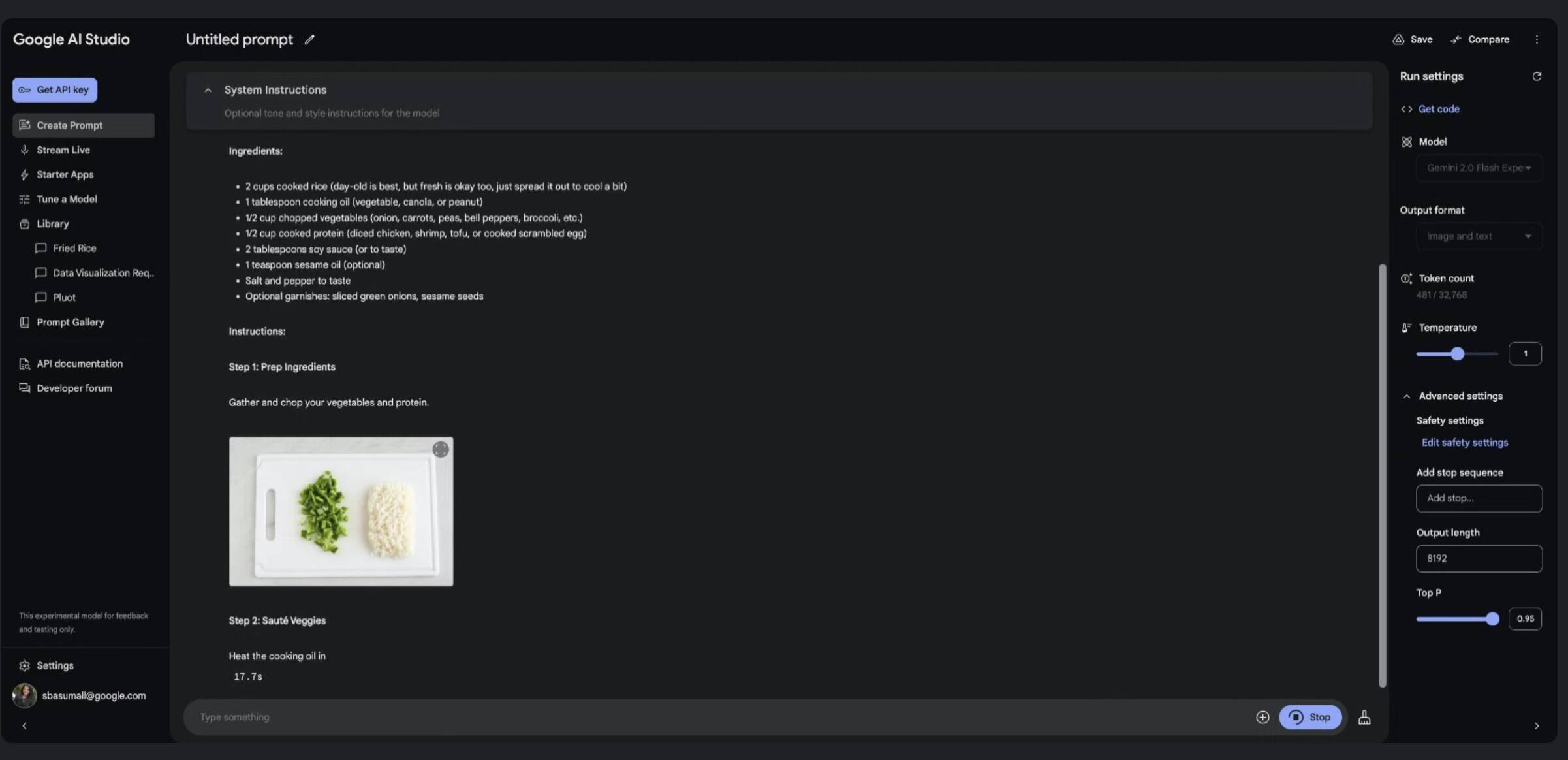
Abacus ai is a specialized platform that leverages AI for predictive analytics and decision-making, particularly in business and finance. This tool stands out for its ability to process complex datasets quickly, providing actionable insights that drive strategic growth. Here, we'll dive into its mechanics, applications, and my thoughtful critiques, illustrating how it complements technologies like gemini 2 flash and chatllm.
Key Components and Analytical Strengths
Abacus ai integrates machine learning algorithms to forecast trends, using tools like regression models for accurate predictions. A creative insight is its potential in sustainability; it could analyze environmental data to predict climate impacts, helping businesses adopt greener practices.
In my personal analysis, the platform's strength lies in its user-friendly interface, which allows non-experts to harness AI power. For instance, small businesses could use it to forecast sales, turning data into profitable strategies without needing extensive technical knowledge.
However, the reliance on historical data means it might miss emerging trends. I suggest incorporating real-time feeds, like those from gemini 2 flash, to enhance accuracy and adaptability.
- Feature 1: Predictive modeling
- Feature 2: Data visualization
- Feature 3: Integration capabilities
This list highlights abacus ai‘s core features, showing how they streamline operations.
Business Applications and Case Studies
In the corporate world, abacus ai excels in risk assessment, helping firms mitigate financial losses. From my viewpoint, its real value is in empowering data-driven decisions, such as optimizing supply chains during global disruptions.
For example, a retail company might use abacus ai to predict consumer behavior, leading to better inventory management. I see this as a catalyst for innovation, where AI not only analyzes but also suggests creative solutions.
Challenges include data silos; if information isn't integrated, insights suffer. Personally, I recommend pairing abacus ai with chatllm for collaborative analysis, creating a more holistic view.
Limitations and Pathways for Improvement
Abacus ai isn't without flaws, such as its vulnerability to noisy data, which can skew predictions. In my analysis, addressing this through advanced filtering techniques is essential for reliability.
Future enhancements could involve merging with gemini 2 flash for faster computations, enabling real-time analytics in volatile markets. I envision this as a game-changer for startups, providing affordable, high-speed tools to compete globally.
Ultimately, ethical AI practices must guide abacus ai‘s development, ensuring it promotes equity in business decisions.
FAQs

What is Gemini 2 Flash?
Gemini 2 flash is an advanced AI model by Google that focuses on high-speed processing for tasks like real-time language translation and data analysis. It builds on previous versions by optimizing efficiency, making it suitable for applications requiring quick responses.
How does Chatllm differ from traditional chatbots?
Chatllm uses advanced language models to maintain context in conversations, unlike traditional chatbots that rely on scripted responses. This allows for more natural interactions, such as personalized customer support, enhancing user engagement.
What are the main benefits of Abacus AI for businesses?
Abacus ai offers predictive analytics that help businesses forecast trends and reduce risks. Its key benefits include improved decision-making and data visualization, which can lead to cost savings and strategic growth.
Can Gemini 2 Flash integrate with other AI tools?
Yes, gemini 2 flash is designed for compatibility with tools like chatllm and abacus ai, enabling hybrid systems for enhanced performance, such as combining speed with conversational depth.
What future developments might we see in these AI technologies?
Future developments could include greater energy efficiency and ethical enhancements, with gemini 2 flash, chatllm, and abacus ai potentially merging to create more intelligent, sustainable AI ecosystems.
Conclusion

In summary, gemini 2 flash revolutionizes AI with its speed and efficiency, while chatllm enhances conversational interactions and abacus ai drives data-driven decisions. Together, these technologies offer a comprehensive AI landscape that fosters innovation, addresses ethical concerns, and paves the way for a more connected future, emphasizing the need for responsible development and integration.