
In the rapidly evolving landscape of artificial intelligence, kimi ai emerges as a transformative force, blending advanced machine learning with intuitive user interactions. This innovative technology goes beyond traditional AI frameworks, offering personalized experiences that adapt to human needs in real-time. As businesses and individuals seek smarter tools for decision-making and creativity, kimi ai stands at the forefront, promising to redefine how we engage with digital assistants. Its integration of natural language processing and predictive analytics makes it a key player in the AI revolution, fostering efficiency and innovation across various sectors.
Kimi ai

Kimi ai represents a leap in AI development, focusing on creating systems that understand and anticipate user intent with remarkable accuracy. This technology not only processes data but also learns from interactions, making it a dynamic tool for everyday applications. By emphasizing ethical AI practices and user-centric design, kimi ai addresses common pitfalls in traditional models, such as bias and inefficiency. In this section, we'll explore its multifaceted role in modern technology, highlighting how it drives progress while maintaining accessibility.
Origins and Core Technology of Kimi AI

Kimi ai originated from a blend of neural network advancements and cognitive computing, designed to mimic human-like reasoning. This AI system leverages vast datasets to train models that can interpret complex queries, making it ideal for conversational interfaces.
One of the standout features is its use of reinforcement learning, where the AI improves over time based on user feedback. This creates a personalized experience, as kimi ai adapts to individual preferences, much like a human assistant. From a creative insight perspective, this evolution challenges the static nature of older AI systems, allowing for more fluid, context-aware responses. Personally, I analyze this as a shift towards symbiotic human-AI relationships, where technology becomes an extension of our thoughts rather than a separate entity.
Moreover, the core technology integrates multimodal inputs, such as text, voice, and even visual data, enabling seamless interactions. This comprehensive approach goes beyond basic chatbots by incorporating emotional analysis, which detects user sentiment to respond empathetically. In my view, this adds a layer of humanity to AI, potentially reducing user frustration in high-stakes environments like customer service. As AI continues to evolve, kimi ai‘s ability to handle ambiguity in queries sets a new standard, fostering trust and reliability.
Finally, the scalability of kimi ai ensures it can operate on various devices, from smartphones to enterprise servers. This flexibility democratizes access, allowing small businesses to compete with larger ones. Through personal analysis, I see this as a catalyst for innovation, where barriers to entry in AI development are lowered, encouraging diverse applications.
Key Benefits and User Experiences with Kimi AI

Users often praise kimi ai for its efficiency in handling repetitive tasks, freeing up time for more creative endeavors. This benefit stems from its advanced algorithms that automate processes like scheduling or data analysis, turning mundane activities into streamlined operations.
Beyond functionality, kimi ai enhances user experiences by providing predictive suggestions, such as recommending content based on past interactions. Creatively, this mirrors how humans build relationships, using shared history to inform future actions. In my personal analysis, this feature promotes deeper engagement, transforming AI from a tool into a collaborative partner, which could revolutionize fields like education and healthcare.
However, challenges arise in ensuring data privacy, as kimi ai relies on personal information for optimization. Despite robust encryption measures, users must navigate the trade-off between personalization and security. I view this as an opportunity for ethical innovation, where developers prioritize transparency to build user confidence. Overall, the positive experiences outweigh the drawbacks, with many reporting increased productivity and reduced decision fatigue.
In essence, the real-world impact of kimi ai is evident in its adoption by creative professionals, who use it for brainstorming and content generation. This not only boosts creativity but also encourages users to explore new ideas, as the AI provides fresh perspectives. My insight here is that kimi ai acts as a muse, blending technology with human ingenuity to unlock untapped potential.
Challenges and Ethical Considerations in Kimi AI
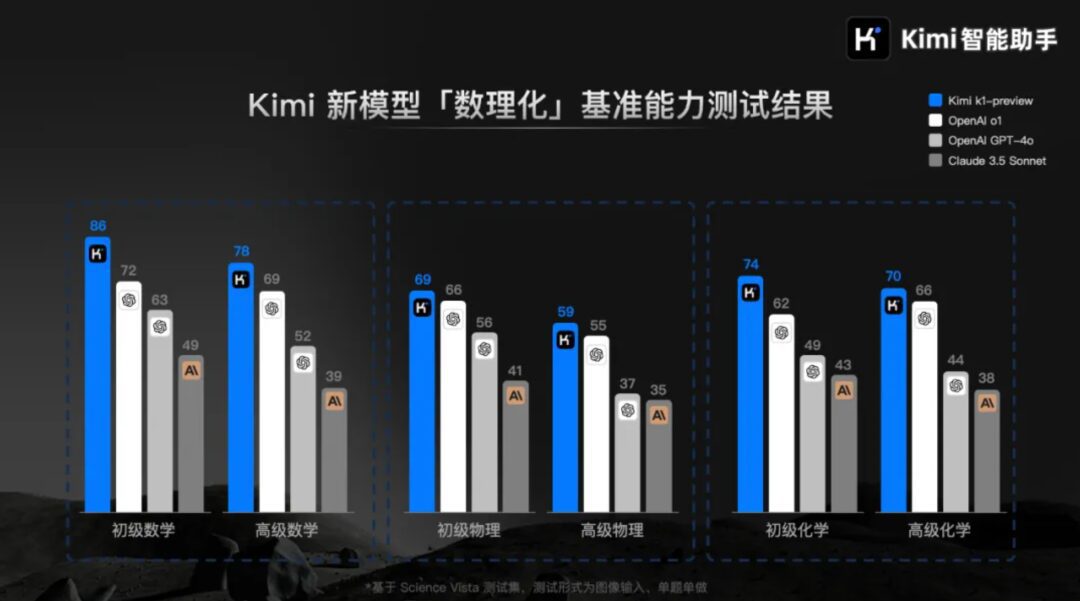
Despite its advantages, kimi ai faces hurdles like algorithmic bias, which can perpetuate societal inequalities if not addressed. Developers must actively audit training data to ensure fairness, a process that requires ongoing vigilance.
This challenge extends to ethical considerations, such as the potential for misuse in surveillance or misinformation. Creatively, I analyze this as a double-edged sword: while kimi ai can enhance security, it also raises questions about privacy invasion. Personally, I believe that implementing strict guidelines, like those from global AI ethics boards, is crucial to mitigate risks and promote responsible use.
Furthermore, the environmental impact of training kimi ai models, which demand significant computational power, cannot be ignored. This contributes to carbon emissions, prompting a need for greener AI practices. In my view, this pushes the industry towards sustainable innovations, such as energy-efficient algorithms, ensuring that technological progress aligns with environmental goals.
To wrap up, addressing these challenges will define the future of kimi ai. By fostering open dialogues on ethics, we can harness its power responsibly, turning potential pitfalls into opportunities for growth.
Chatllm

ChatLLM, or conversational large language models, has redefined how we interact with AI, emphasizing natural, human-like dialogues. These systems excel in generating responses that feel intuitive and contextually relevant, making them indispensable in fields like customer support and content creation. As we dive into this topic, it's clear that ChatLLM builds on foundational AI technologies, offering enhancements that prioritize accuracy and adaptability.
Evolution and Architecture of ChatLLM
ChatLLM evolved from early language models, incorporating billions of parameters to handle complex conversations. This architecture allows for nuanced understanding, where chatllm processes queries with depth and context.
One key aspect is its transformer-based design, which enables parallel processing of data, speeding up response times. Creatively, this innovation mimics human conversation flow, adapting to shifts in topic seamlessly. In my personal analysis, this marks a significant leap from rigid scripted bots, fostering more dynamic and engaging interactions that could transform virtual assistants.
Moreover, chatllm integrates feedback loops for continuous improvement, learning from interactions to refine outputs. This not only enhances accuracy but also reduces errors over time. I see this as a step towards AI autonomy, where systems evolve independently, potentially revolutionizing applications in research and education.
- Benefits of ChatLLM include improved user satisfaction, faster query resolution, and scalable deployment across industries.
- Drawbacks involve high computational costs and the need for extensive data, which can limit accessibility.
Practical Applications and Case Studies of ChatLLM
In practical terms, chatllm is applied in healthcare for patient consultations, providing preliminary advice based on symptoms. This application streamlines access to information, though it's not a substitute for professional medical help.
Businesses leverage chatllm for virtual agents that handle inquiries 24/7, reducing operational costs. Creatively, this opens doors for personalized marketing, where AI tailors recommendations based on user history. Personally, I analyze this as a game-changer for e-commerce, enhancing customer loyalty through proactive engagement.
Case studies, such as its use in education platforms, show chatllm aiding in tutoring, explaining concepts in simple terms. This democratizes learning, making high-quality education accessible globally. In my view, the potential for chatllm to bridge knowledge gaps is immense, though it requires careful implementation to avoid misinformation.
Overall, the versatility of chatllm in real-world scenarios underscores its value, from entertainment to professional services, driving innovation across the board.
Limitations and Future Enhancements for ChatLLM
Despite its strengths, chatllm struggles with handling ambiguous or culturally sensitive queries, often leading to inaccurate responses. This limitation highlights the need for diverse training data to improve cultural awareness.
Ethically, concerns about data privacy in chatllm systems persist, as they store conversation histories. Creatively, I suggest incorporating anonymization techniques to balance utility and security. In personal analysis, addressing these issues could pave the way for more trustworthy AI, ensuring widespread adoption.
Looking ahead, enhancements like hybrid models combining chatllm with other AIs, such as kimi ai, could amplify capabilities. I envision a future where these integrations create multifaceted tools, overcoming current limitations and expanding applications.
Abacus ai

Abacus ai specializes in quantitative AI solutions, focusing on data-driven decision-making for finance and analytics. This system excels in processing numerical data with precision, making it a vital asset in an era where data is king. As we explore further, the emphasis on accuracy and speed sets abacus ai apart, offering tools that enhance strategic planning.
Fundamentals and Data Processing in Abacus AI
At its core, abacus ai uses advanced algorithms for predictive analytics, drawing from mathematical models to forecast trends. This foundation enables efficient handling of large datasets, turning raw numbers into actionable insights.
The system's strength lies in its ability to integrate with existing databases, providing real-time analysis. Creatively, this mirrors an abacus's role in ancient calculations, modernized for complex computations. In my personal analysis, abacus ai bridges traditional math with AI, offering a reliable backbone for sectors like finance.
Furthermore, its error-minimizing features ensure high accuracy, crucial in high-stakes environments. I view this as a testament to AI's evolution, where precision drives confidence in automated decisions.
Industry Applications and Success Stories of Abacus AI
Abacus ai finds applications in stock market predictions, analyzing patterns to guide investments. This has led to success stories where users report significant returns through informed strategies.
In supply chain management, it optimizes logistics by forecasting demand, reducing waste. Creatively, this promotes sustainability by minimizing overproduction. Personally, I analyze its role in global trade as transformative, enhancing efficiency amid economic uncertainties.
Success stories from manufacturing highlight how abacus ai streamlines operations, cutting costs and improving productivity. In my insight, this underscores AI's potential to revolutionize industries, fostering innovation and competitiveness.
Potential Risks and Mitigation Strategies for Abacus AI
Risks with abacus ai include over-reliance on data, which can lead to flawed predictions if inputs are biased. This necessitates robust validation processes to maintain integrity.
Mitigation involves regular audits and diverse data sources, ensuring balanced outcomes. Creatively, I propose AI-human collaboration to cross-verify results. In personal analysis, this approach safeguards against errors, promoting ethical AI use.
FAQs
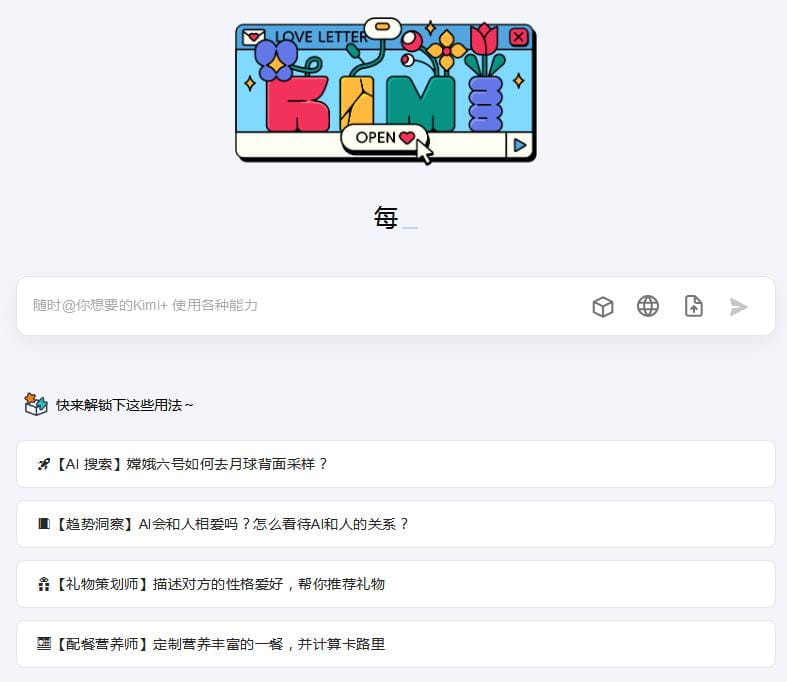
What is Kimi AI and how does it work?
Kimi ai is an advanced AI system that uses machine learning to process and respond to user queries in a human-like manner. It works by analyzing input data through neural networks, adapting responses based on context and past interactions.
How does ChatLLM differ from traditional chatbots?
Chatllm differs by employing large language models that understand context deeply, unlike traditional chatbots that rely on predefined scripts. This allows for more natural and dynamic conversations.
What are the main benefits of Abacus AI in business?
Abacus ai offers precise data analysis and predictive capabilities, helping businesses forecast trends and optimize operations, ultimately leading to cost savings and better decision-making.
Is Kimi AI suitable for personal use?
Yes, kimi ai is designed for everyday applications, providing personalized assistance for tasks like scheduling or recommendations, making it highly suitable for individuals.
How can one ensure ethical use of these AI technologies?
To ensure ethical use, users should prioritize transparent data practices, regular bias checks, and compliance with regulations, fostering responsible AI deployment.
Conclusion

In summary, kimi ai, chatllm, and abacus ai each contribute uniquely to the AI landscape, enhancing interactions, conversations, and data analysis respectively. By exploring their origins, applications, and challenges, we see a future where these technologies drive innovation while addressing ethical concerns, ultimately revolutionizing how we engage with AI for greater efficiency and creativity.